Alcohol-free days in Thailand: why do bars sometimes close?

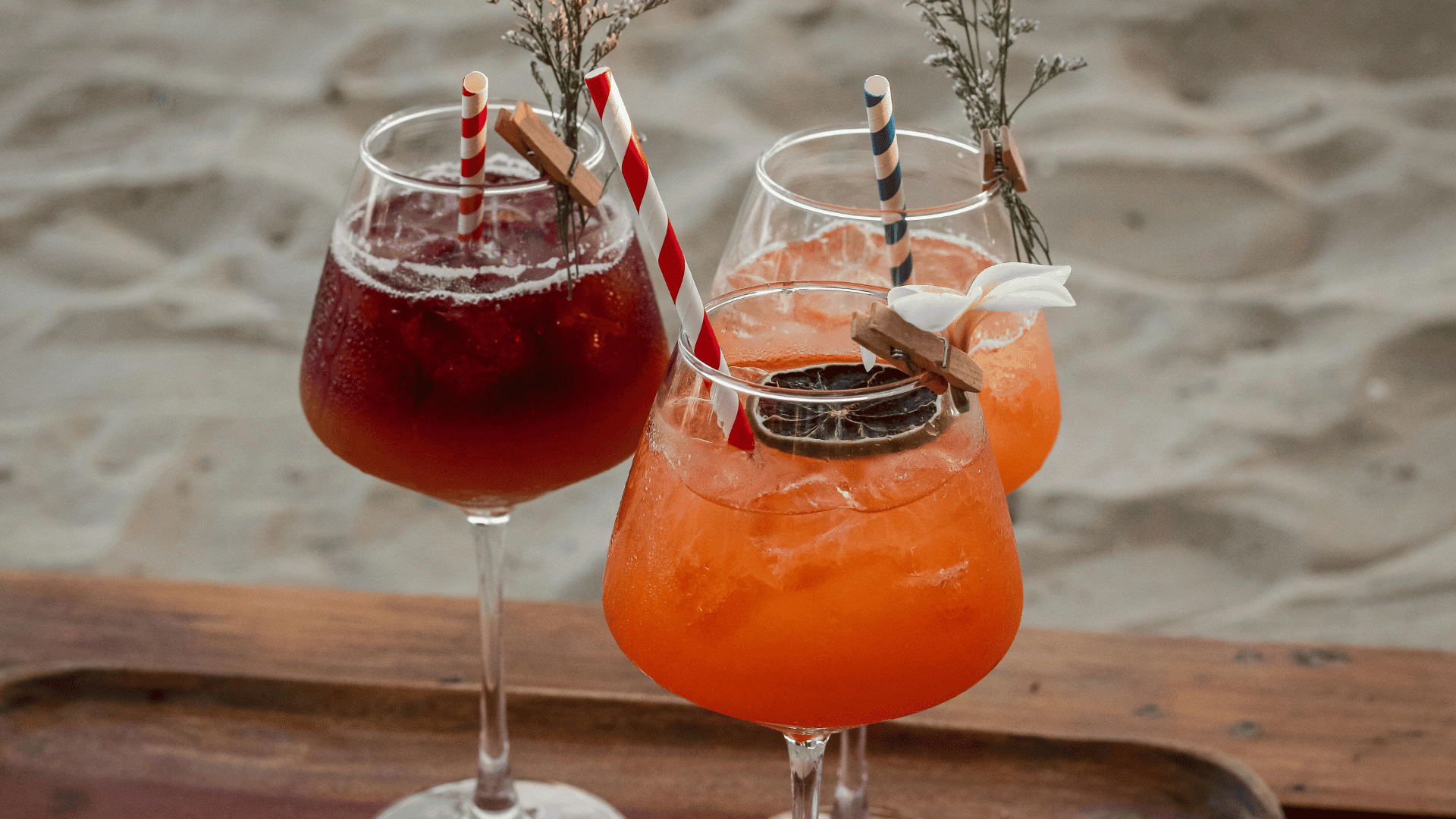
During your trip, you walk into a 7-Eleven at 3pm to buy a cold beer. The cashier shakes their head and points to a sign: no alcohol today. Welcome to Thailand, an alcohol-free day.
The situation can be surprising when you first discover the country, and even some expats still get caught out when they forget the date. Here is why these days exist, which dates are concerned and, above all, how to avoid unpleasant surprises during your stay.
Why does Thailand ban alcohol on certain days?
The Buddhist roots of the ban
Thailand is a predominantly Buddhist country and some of the main religious holidays of the year are days of reflection. Worshippers go to temples, make offerings to monks and sometimes take part in ceremonies. The ban on alcohol sales is part of this spirit. These days are traditionally associated with religious practice, meditation and a certain degree of sobriety. The sale and consumption of alcohol are therefore restricted in order to preserve the religious nature of these celebrations.
What does the law say (and what are the penalties)?
This is not simply a religious tradition: the ban on alcohol sales is governed by Thai legislation and offenders may face penalties.
Under the provisions in force in 2026, selling alcohol on a prohibited day can notably result in up to six months in prison and/or a fine of up to 10,000 baht. This is why the 7-Eleven cashier will not make an exception. Businesses have every interest in strictly complying with the regulations.
Alcohol-free days in Thailand in 2026 and 2027
The 5 major Buddhist holidays concerned
Five major Buddhist holidays are subject to a nationwide ban on alcohol sales, for 24 hours each. Here are the dates for 2026 and 2027:
Makha Bucha: March 3, 2026
Visakha Bucha: May 31, 2026
Asalha Bucha: July 29, 2026
Khao Phansa: July 30, 2026
Ok Phansa: October 26, 2026
Makha Bucha: February 21, 2027
Visakha Bucha: May 20, 2027
Asalha Bucha: July 18, 2027
Khao Phansa: July 19, 2027
Ok Phansa: October 17, 2027
The dates of Buddhist holidays follow the lunar calendar and therefore change from year to year. For 2027, some dates remain to be officially confirmed.
Be careful in July: Asalha Bucha and Khao Phansa follow one another immediately. For travelers unfamiliar with the Thai Buddhist calendar, this is therefore the main pitfall to avoid: two alcohol-free days follow one another, making 48 hours in total.
Election days, another pitfall to be aware of
Religious holidays are not the only occasions when alcohol sales may be banned in Thailand. Election days are also subject to restrictions, with the aim of maintaining calm and preventing incidents around the vote.
The difficulty for travelers is that these dates are not always known several months in advance. If an election takes place during your stay, it is therefore best to follow local news and check for any restrictions announced by the authorities.
What actually closes on an alcohol-free day?
An alcohol-free day obviously does not mean that all of Thailand comes to a standstill. Temples, beaches, tourist sites, excursions and transportation continue to operate normally. It is mainly the sale of alcohol that is affected.
Hotels, airports and tourist areas: what are the exceptions?
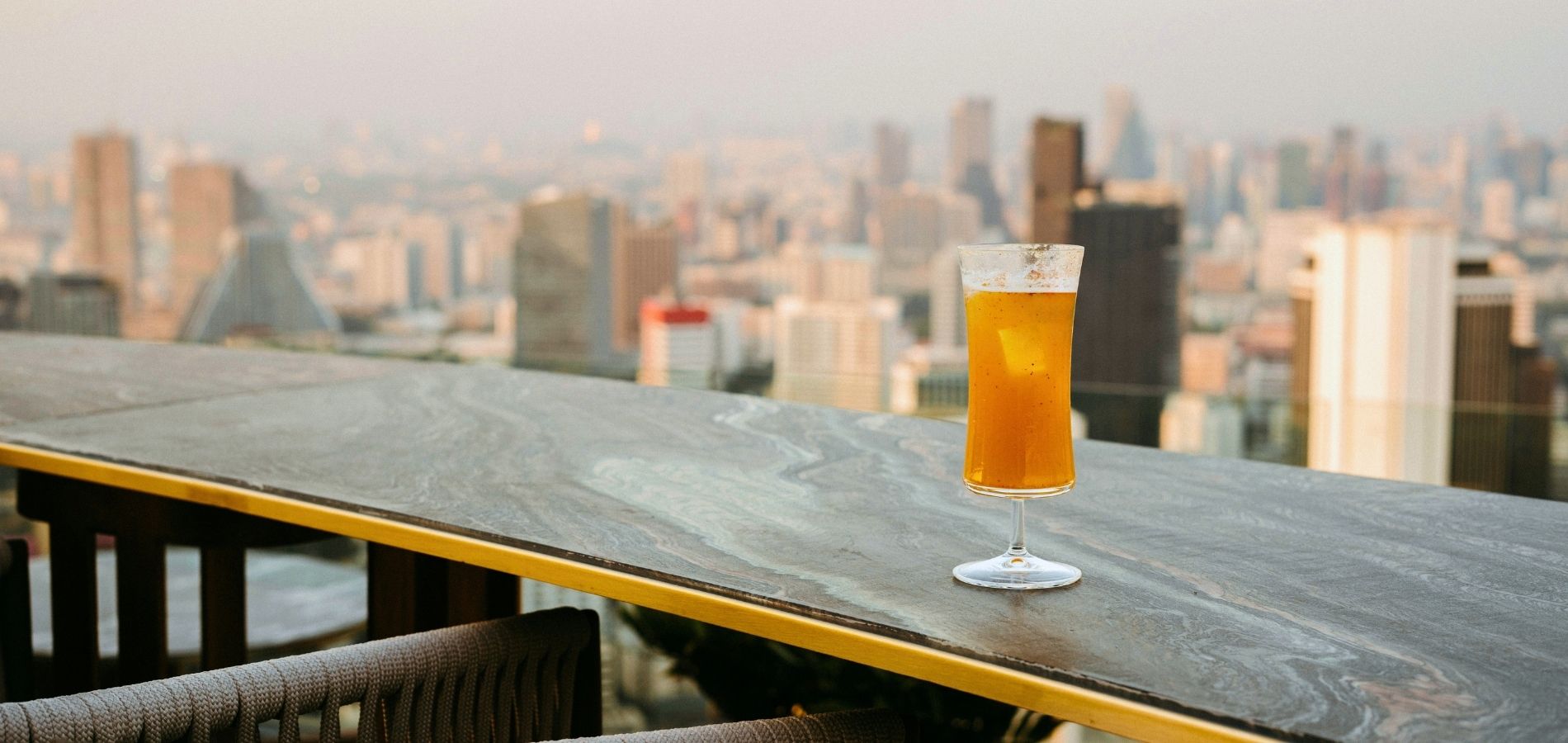
The situation is somewhat more complex in hotels and certain tourist establishments. Regulations provide for exceptions for certain categories of establishments, including some hotels, international areas of airports and certain venues located in designated tourist areas.
In practice, a hotel bar may therefore sometimes continue to serve alcohol while regular shops are prohibited from selling it. However, this is not a universal rule: exceptions depend on the type of establishment and the applicable regulatory framework. If you are unsure, the simplest option is to check directly with your hotel or the establishment concerned before heading there.
7-Eleven, supermarkets and shops
This is where you will notice the ban most clearly. 7-Eleven stores, supermarkets, grocery stores and other regular shops cannot sell alcohol during the periods concerned. Bottles and cans may be removed from the shelves or covered by a sign indicating that sales are prohibited.
There is therefore no point in asking the cashier for an exception: employees must enforce the regulations and simply cannot sell you alcohol.
Can you buy alcohol at any time in Thailand?
For years, Thailand imposed a ban on alcohol sales between 2pm and 5pm. This three-hour period was particularly confusing for travelers: it was impossible to buy a beer at a 7-Eleven at 3pm, even on a perfectly normal day.
This afternoon restriction was temporarily lifted in 2025, and the trial period was then extended in 2026. This now means that alcohol can be purchased between 11am and midnight. In any case, this change does not affect officially prohibited days.
How should you plan for an alcohol-free day?
Plan your purchases in advance
The simplest advice is also the most effective: if you know that an alcohol-free day is approaching, do your shopping in advance. This is particularly important when two days follow one another, as in July with Asalha Bucha and Khao Phansa. If you want to have a few drinks during your stay, remember to plan ahead before the ban begins.
If you have forgotten, ask your hotel: some authorized establishments may continue to serve alcohol despite the restrictions applying to shops.
Take the opportunity to discover another side of Thailand
Finally, an alcohol-free day is not necessarily a restriction to work around. These holidays have genuine cultural and religious significance in Thailand. Ceremonies held at temples, particularly processions and candlelit ceremonies in the evening, offer a great opportunity to observe a more traditional side of the country. If you visit a temple on such an occasion, simply remember to dress respectfully: shoulders and knees covered, shoes removed before entering the relevant areas, and discreet behavior.