The history of Thailand: what every tourist should know


Thailand attracts visitors with its tropical beaches, golden temples, fragrant cuisine, and welcoming culture. Yet behind the postcard-perfect scenery lies an especially rich history that still influences the daily lives of Thai people today.
Understanding some of the country’s major historical milestones allows travelers to experience Thailand differently. A visit to Ayutthaya takes on a completely new dimension when you discover that this city was once one of the most powerful in Asia. A walk along Bangkok’s canals recalls a time when the capital lived almost entirely on the water. Even certain everyday gestures have their roots in traditions that are several centuries old.
Sukhothai: the first great Thai kingdom
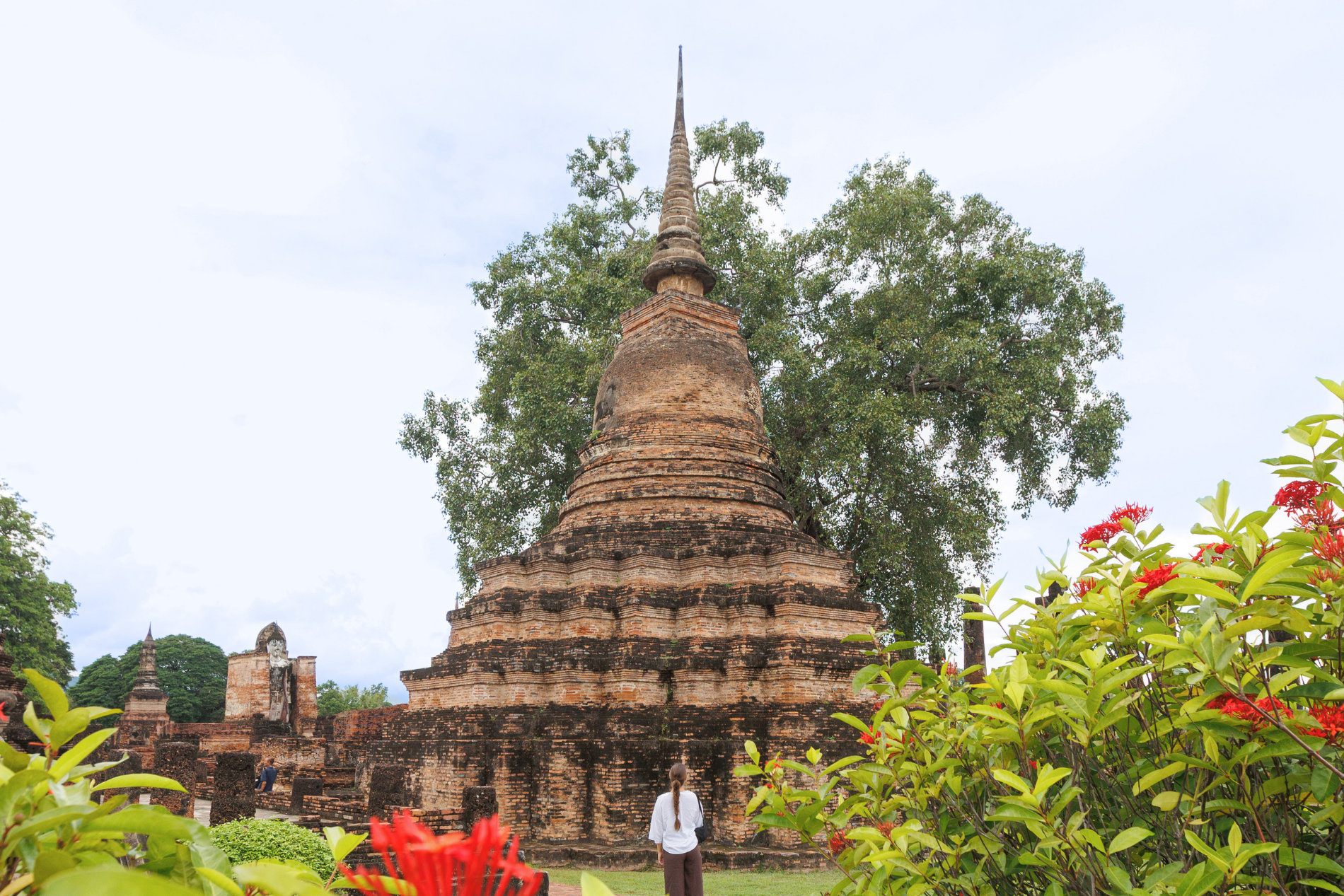
Several hours north of Bangkok, the ruins of Sukhothai stretch across a peaceful landscape that few travelers expect before arriving. Yet this is where it all began.
Where the Thai writing system was born
In the 13th century, Sukhothai became the first major independent Thai kingdom. Its name means “the dawn of happiness,” and the site is still considered today to be the cultural cradle of Thailand.
It was here that King Ramkhamhaeng developed the modern Thai alphabet. Inscriptions dating back to that period can still be seen in the historical park. Travelers are often surprised to discover that the Thai language has several tones. A single word can completely change meaning depending on how it is pronounced. This explains why Thai people generally appreciate visitors who attempt a few local words, even with a hesitant accent.
The giant Buddha of Wat Si Chum
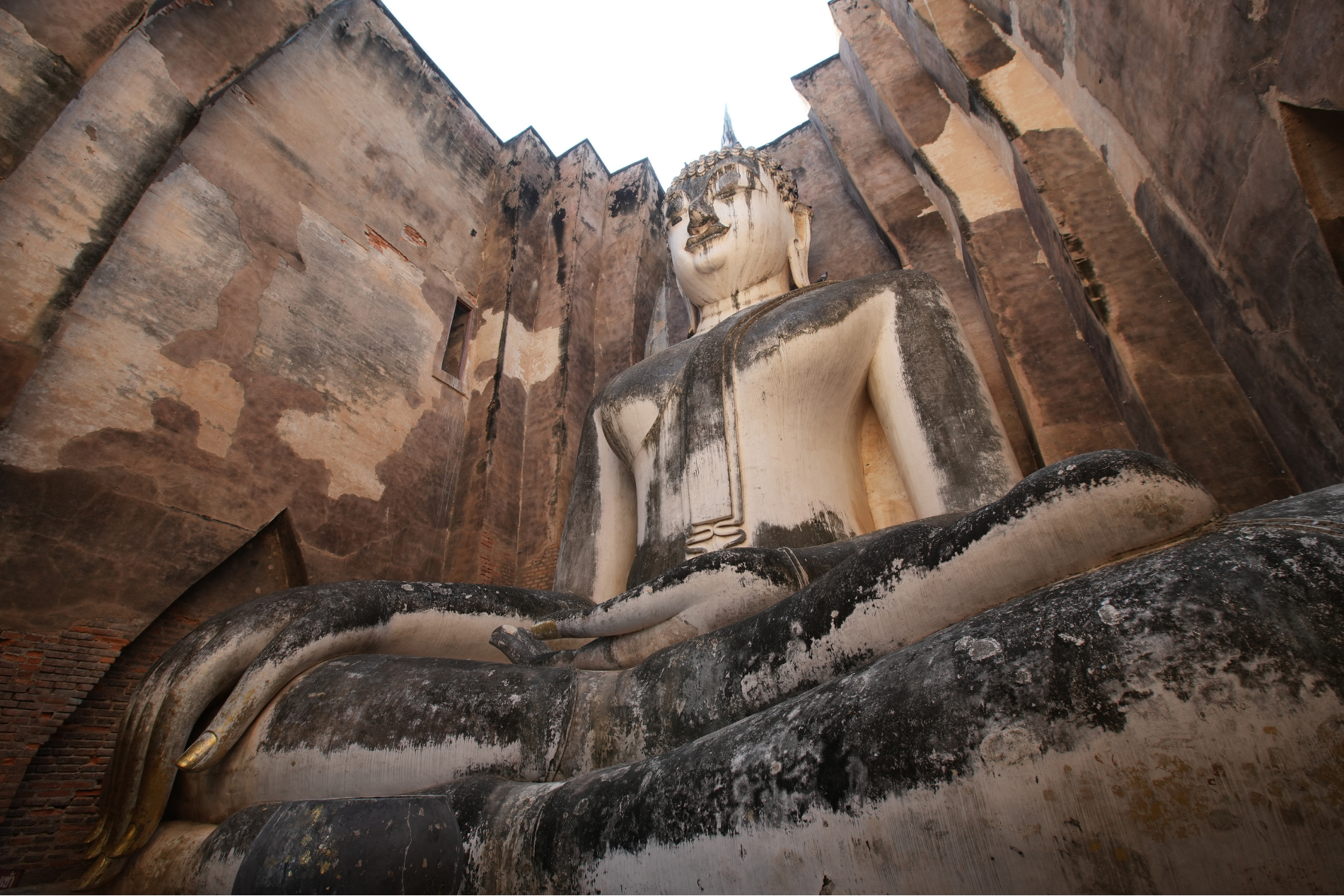
Wat Si Chum is undoubtedly the most impressive monument in Sukhothai. After passing through a narrow corridor between tall stone walls, visitors suddenly discover an immense seated Buddha statue.
The effect is particularly striking for children, who become aware of the spectacular scale of certain Asian religious monuments.
An old legend says that soldiers once hid behind the statue in order to speak to warriors before battles. Many people believed at the time that the Buddha himself was delivering messages to them.
Why Sukhothai is so popular with families
Unlike Bangkok, Sukhothai offers a very calm atmosphere. The site is easy to explore by bicycle thanks to its flat, shaded paths. Families especially appreciate this slower pace.
From Bangkok, travelers should allow around 1 hour and 15 minutes by plane or an overnight train followed by several hours by road. Two days on site are enough to visit the main temples without rushing.
 |  |
Ayutthaya: the royal city destroyed by the Burmese
Only 80 kilometers north of Bangkok, Ayutthaya is one of the country’s most striking historical excursions. Its ruins bear witness both to the immense power of a vanished kingdom and to the brutality of its fall.
One of the most powerful cities in Asia
Founded in 1350, Ayutthaya quickly became a major political and commercial crossroads. At its height, the city had nearly one million inhabitants, which was considerable for the period. Merchants from China, Japan, India, Persia, and even Europe conducted business there.
Few visitors know that a Japanese district once existed in the city, with several hundred samurai settled there to protect the commercial interests of their community. France also maintained diplomatic relations with the Kingdom of Siam under Louis XIV. French ambassadors were received at the royal court of Ayutthaya in the 17th century.
The famous Buddha head in the roots
Wat Mahathat is known around the world for its Buddha head trapped within the roots of a tree. According to several historians, the statue fell during the destruction of the city in 1767. Over time, the tree is said to have grown around the face.
This site remains deeply respected by Thai people. Visitors should avoid standing higher than the Buddha head when taking photos.
Why are so many statues decapitated?
Walking through the Ayutthaya site quickly raises a question: why have so many statues lost their heads? During the Burmese invasion, a large part of the temples was burned, and many statues were destroyed.
Even today, travelers notice these headless Buddhas scattered throughout the ruins of Ayutthaya. This unique atmosphere serves as a reminder of the violence of the former kingdom’s collapse.
Bangkok: the capital built around water
A sprawling metropolis of more than ten million inhabitants, Bangkok sometimes feels like a city focused entirely on the future. Yet certain everyday details remind visitors that the Thai capital carries a much older history than it may first appear.
Bangkok’s real name
Bangkok’s official name is one of the longest in the world. Thai people simply use “Krung Thep,” which means “City of Angels.” However, the full ceremonial name contains more than 160 characters. Local guides sometimes enjoy reciting this very quickly for travelers.
A city that once lived on canals
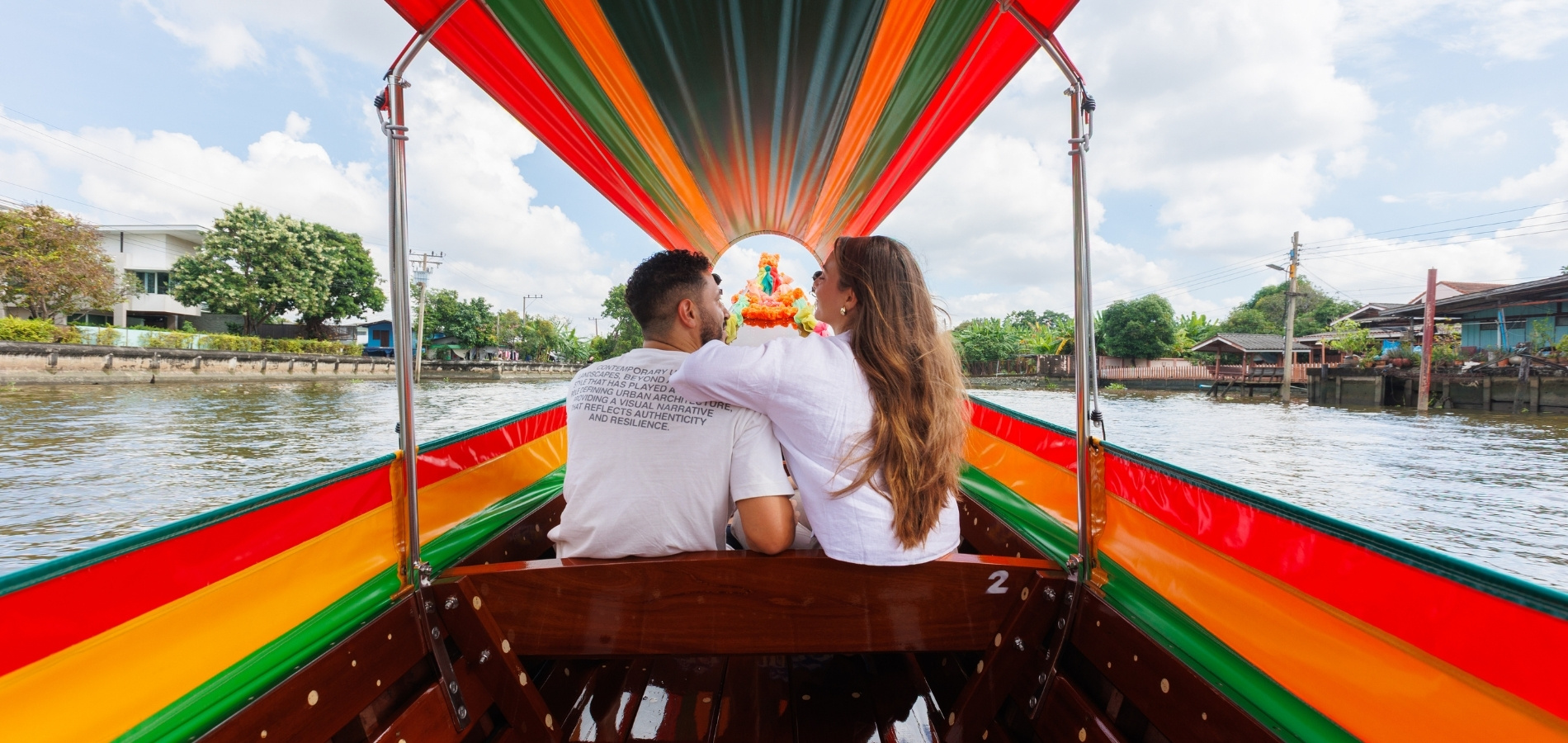
Before the arrival of modern roads, Bangkok functioned mainly thanks to its canals, called klongs. Residents traveled by boat, shopped on the water, and lived in houses built on stilts. This organization explains why certain floating markets still exist today.
An excursion through the klongs offers a completely different side of Bangkok, much calmer and more traditional than the major modern districts.
Respect for the monarchy
Royal portraits are everywhere throughout the country. This important place of the monarchy is partly explained by the role several kings played in modernizing Thailand and preserving its independence.
Before movie screenings, the royal anthem is played on screen and spectators stand as a sign of respect. Visitors are encouraged to adopt the same attitude during their stay.
Traditions that are still deeply present
Visiting Thailand also means being surprised by habits and customs that still shape the daily lives of Thai people. Far from being simple folklore, these traditions often carry deep meaning that is worth understanding before traveling.
Colors have a special meaning in Thailand
In Thailand, each day of the week has a lucky color associated with an ancient tradition linked to astrology and the monarchy. Monday is represented by yellow, Friday by blue, and Sunday by red. This custom is still visible today. Some Thai people choose their clothing according to the day, especially during religious ceremonies or important events.
Yellow is particularly present throughout the country because it corresponds to Monday, the birth day of King Rama IX, who remains deeply respected by the population.
Travelers often notice the importance of colors in temples, decorations, or traditional clothing without always knowing their origin.
Songkran: far more than a water fight
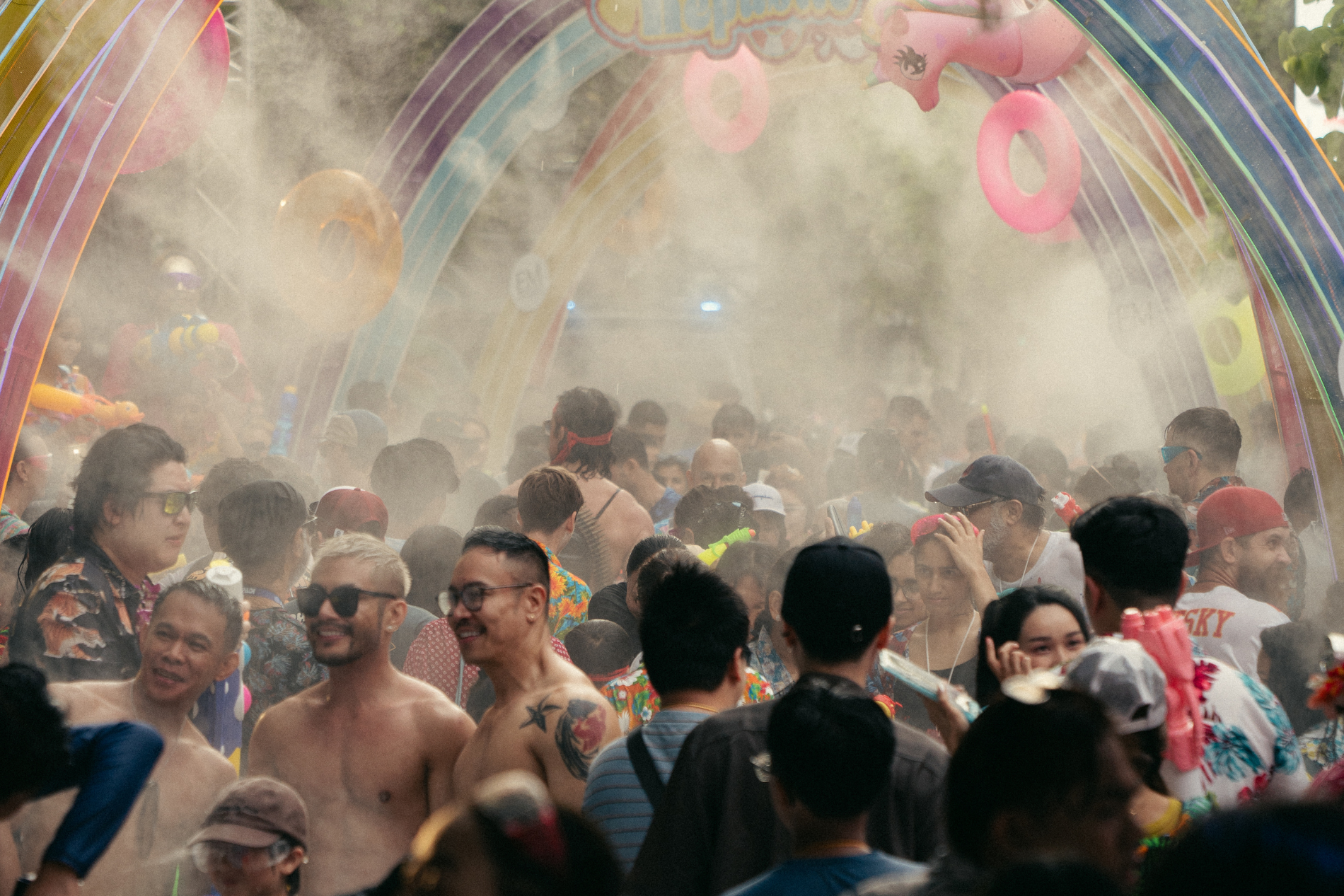
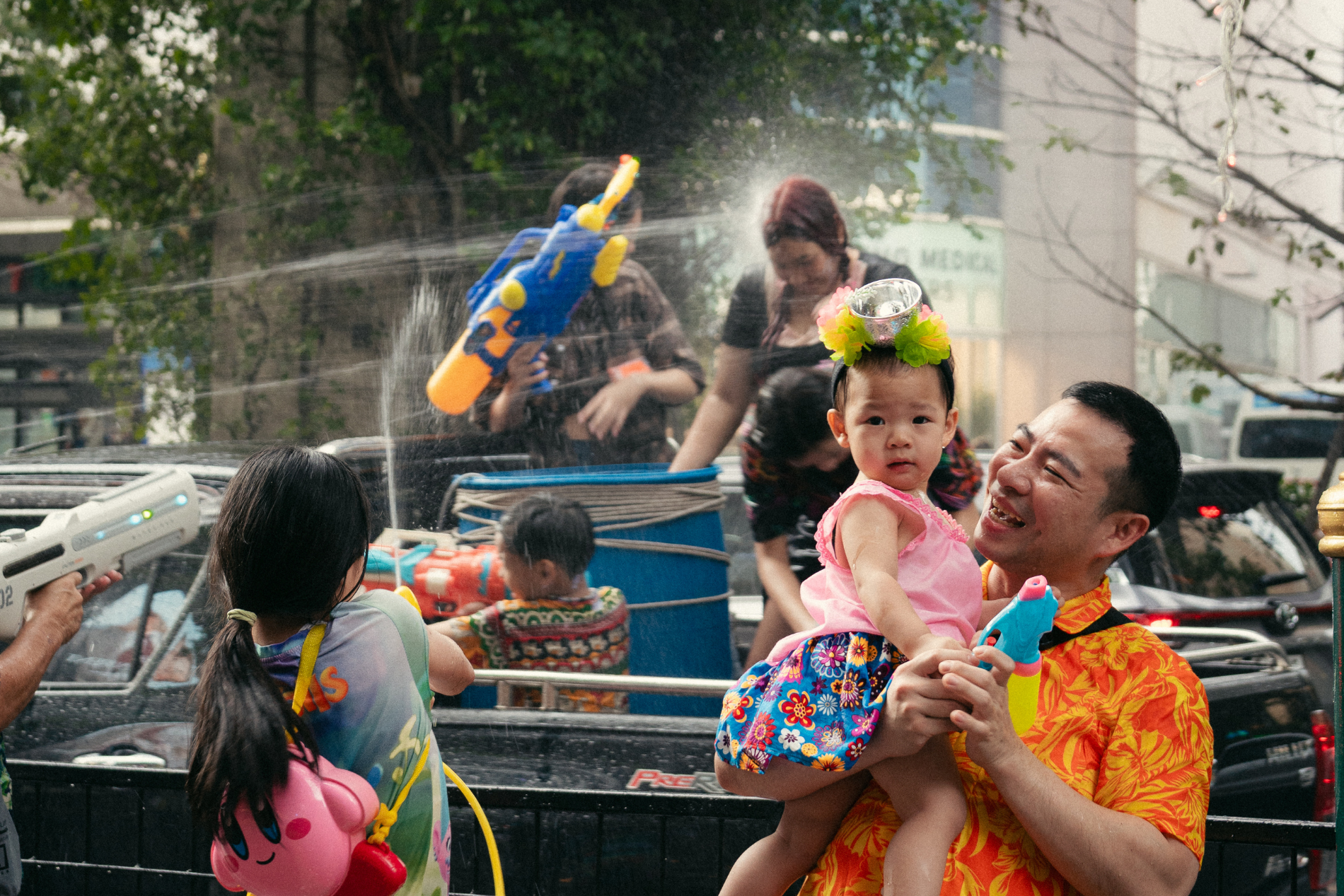
The Thai New Year, called Songkran, is celebrated every April. Today, this festival is famous for its massive water fights in the streets. Yet its origins are far more spiritual.
Traditionally, Thai people gently poured scented water onto the hands of elders in order to wish them happiness and prosperity for the new year. In some northern cities such as Chiang Mai, it is still possible to witness these traditional ceremonies.
 |  |
Temples once served as schools
For centuries, Buddhist temples also functioned as educational institutions. Many boys temporarily became monks in order to learn how to read and write. Even today, some teenagers spend a few weeks in a monastery during school holidays.
In Chiang Mai, several temples offer exchanges between visitors and young English-speaking monks. These discussions often provide a better understanding of modern Thai society.
Thailand: the only country in the region never colonized
Among all the characteristics that distinguish Thailand from its neighbors, this historical reality is undoubtedly one of the least known by Western travelers, and yet one of the most important for understanding the country.
Unlike most neighboring countries, Thailand was never colonized by a European power. The Kingdom of Siam managed to preserve its independence thanks to skillful diplomacy between the British and the French during the 19th century. This history partly explains the country’s strong cultural identity and the national pride that remains very present today.
This independence allowed the country to preserve its language, monarchy, religious traditions, and a large part of its historical heritage. Travelers can feel this everywhere: in Buddhist ceremonies, local festivals, traditional markets, and even in everyday habits.