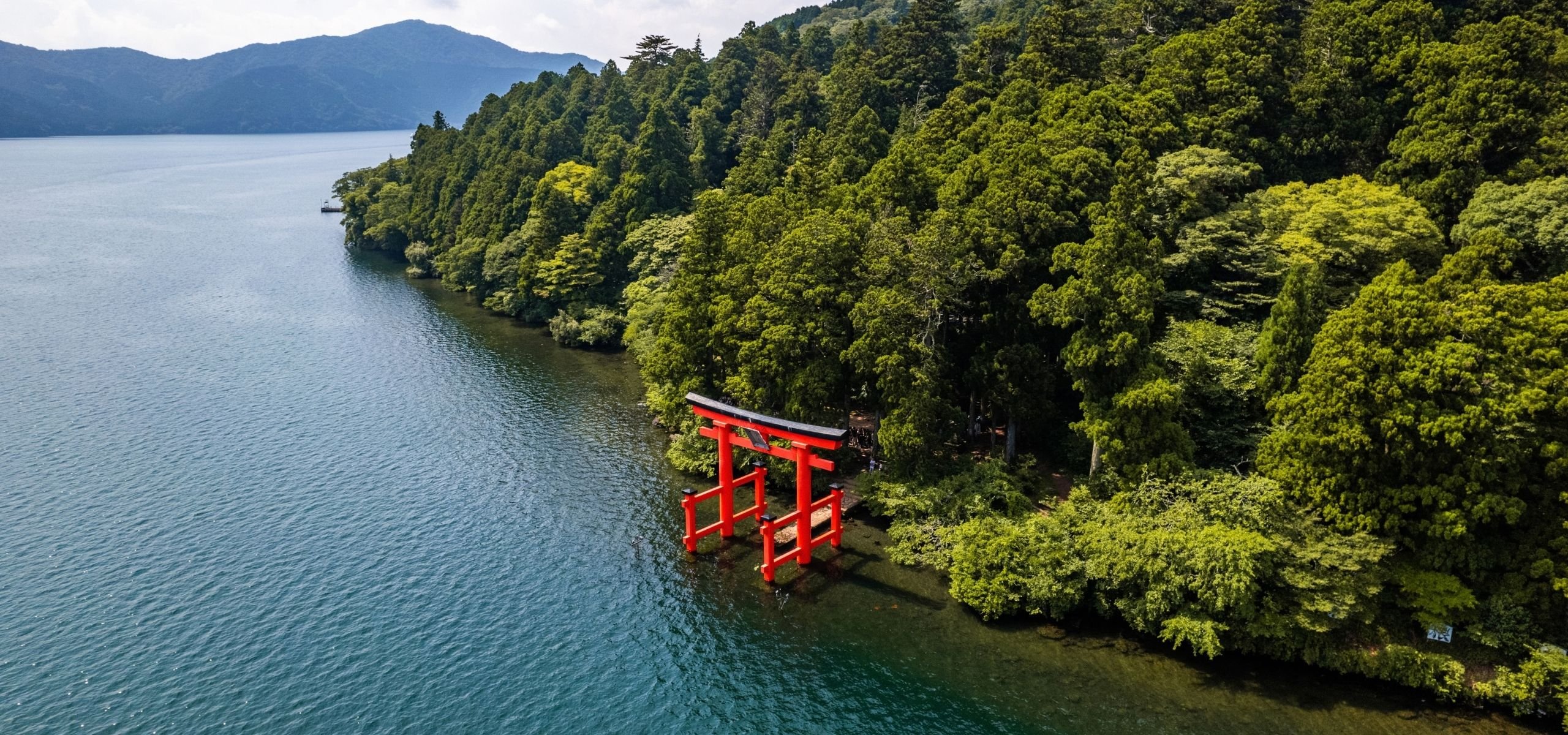
Hakone
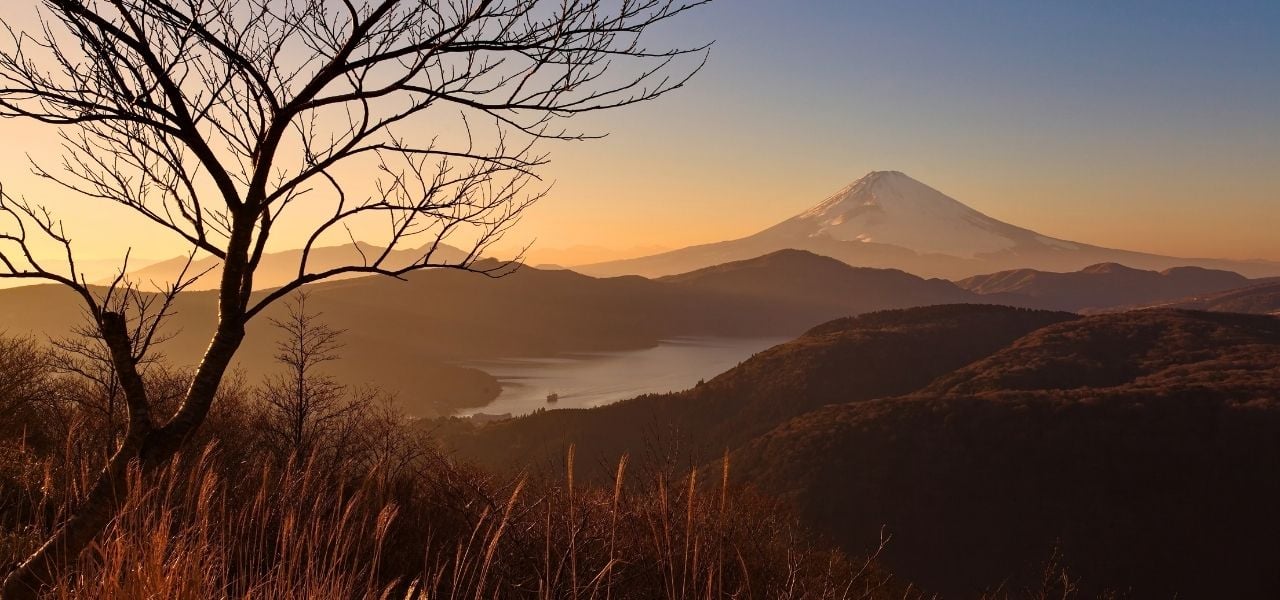
Just an hour and a half from Tokyo, Hakone shows you a different side of Japan. For centuries, travelers have stopped in these volcanic mountains to soak in the hot springs (onsen) and admire Mount Fuji reflected in Lake Ashi. Most people come for one night and wish they'd stayed two.
Hakone at a glance

Hakone is the place I recommend to anyone who needs to breathe after Tokyo. The change is dramatic: you leave the city's frantic pace behind for cedar forests, volcanic landscapes and the quiet of the ryokan, Japan's traditional inns. And when Mount Fuji appears above Lake Ashi, you understand why the Japanese have been coming here for centuries.
My advice: don't try to see everything in one day. The real luxury in Hakone is taking your time. Here are the experiences I'd recommend to every traveler passing through:
- cruise across Lake Ashi on a pirate ship to admire Mount Fuji from the water,
- ride the ropeway over the steaming Owakudani valley and taste its famous black eggs,
- walk the Old Tokaido Road under centuries-old cedars to the Amazake-chaya teahouse,
- soak in an outdoor onsen facing the mountains after a day of exploring.

Vincent
Japan Expert 🇯🇵
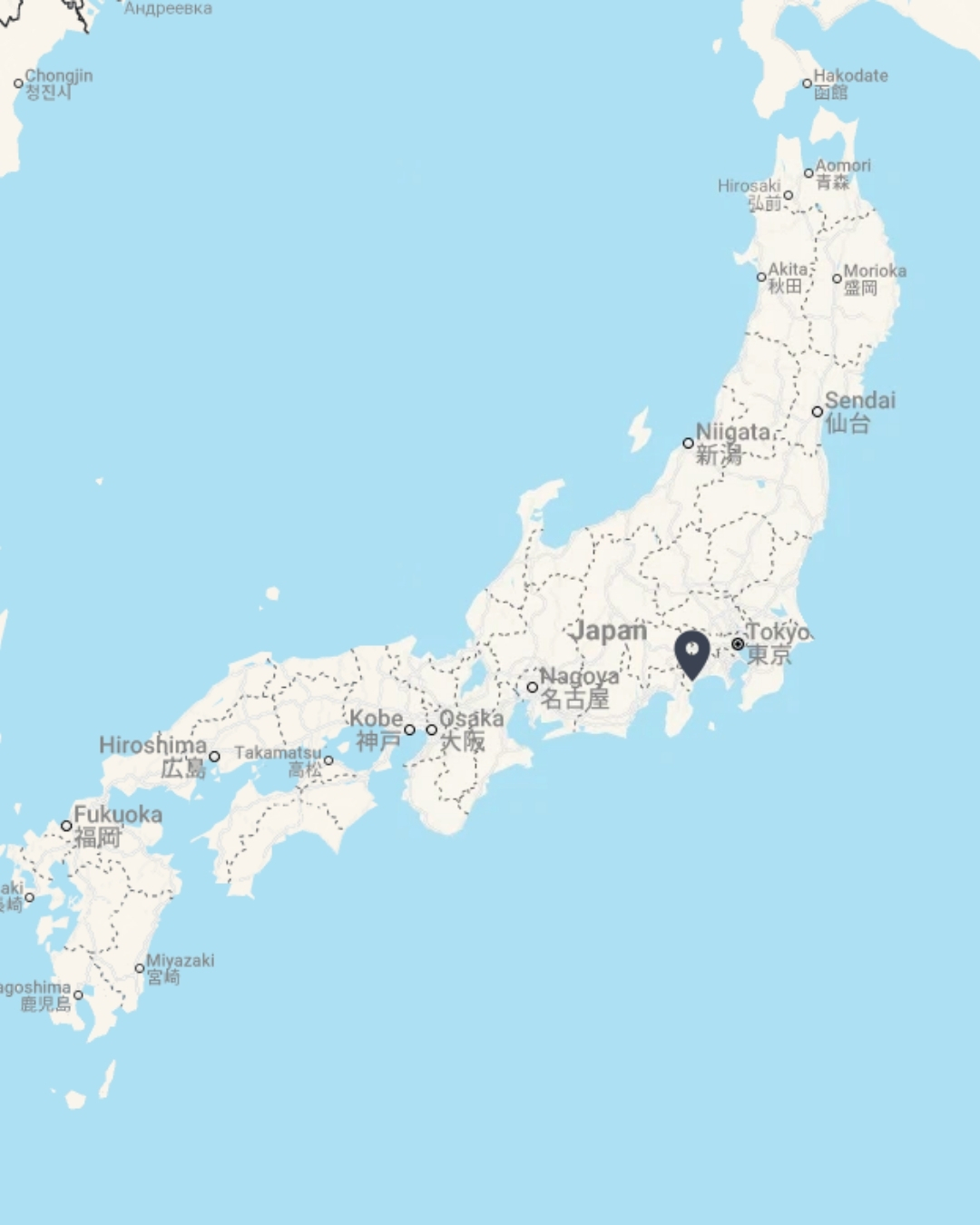
WHAT TO SEE IN HAKONE
What SEASON to go to Hakone?
Hakone is a year-round destination, but each season completely changes the mood. Spring (late March to May) brings cherry blossoms and mild temperatures. June and July are rainier, but it's hydrangea season along the Hakone Tozan mountain railway. Autumn (October to November) is arguably the most beautiful time of year, with forests turning red and orange.
Winter is cold but brings the clearest skies: it's the best time to see Mount Fuji and enjoy an onsen in the snow. If you can, avoid Golden Week (late April to early May), when the region gets very crowded.