Izu
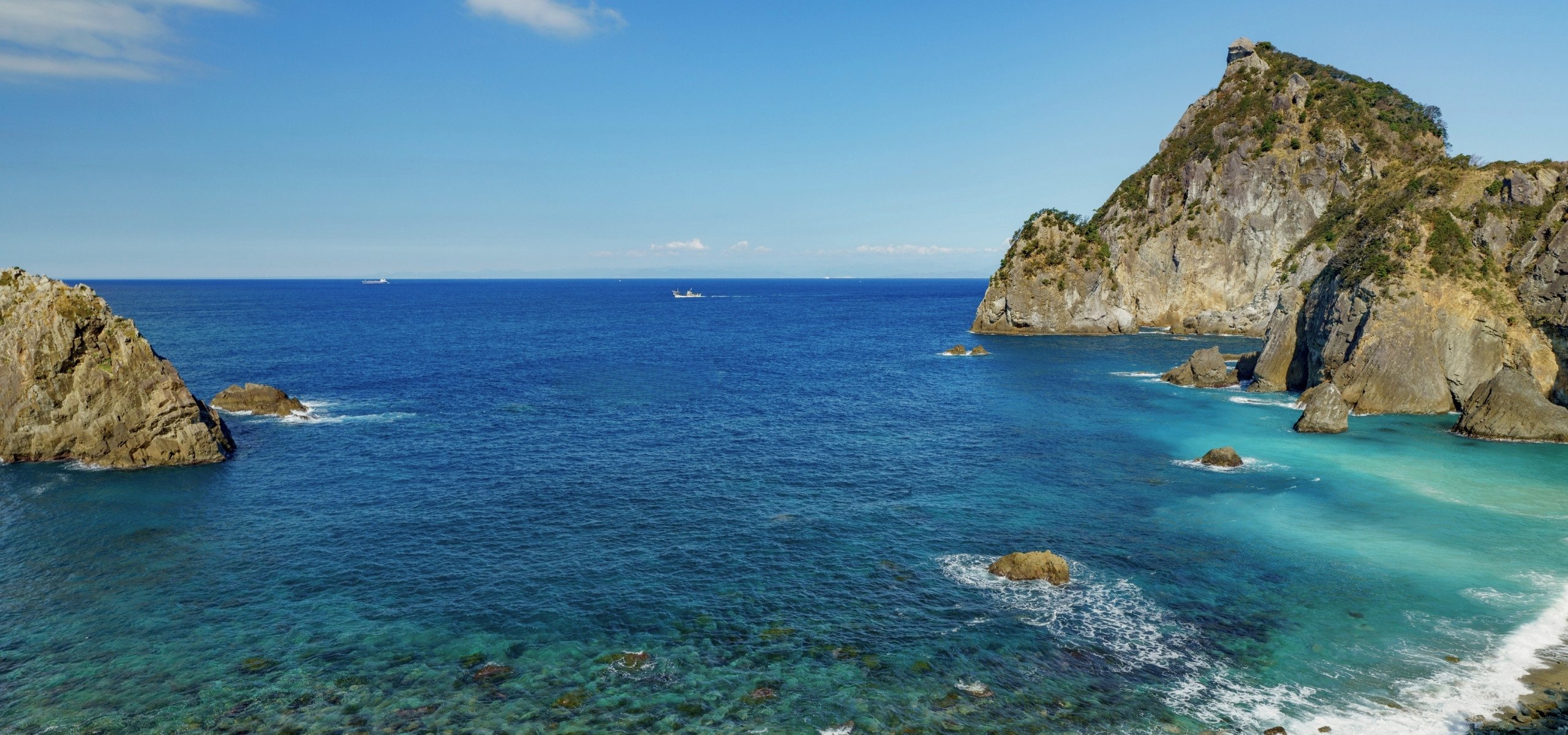
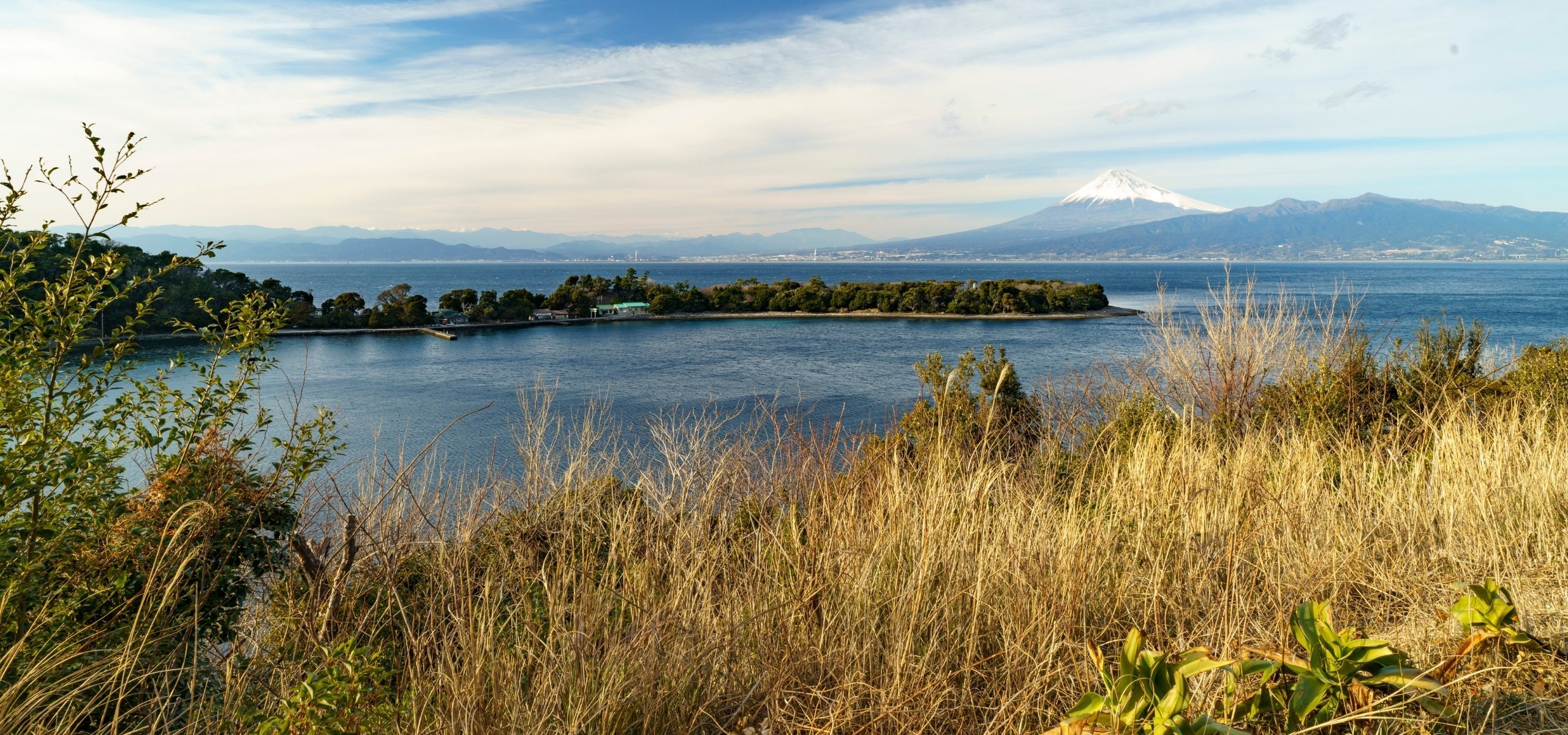
Izu is just an hour by train from Tokyo. Its landscape was shaped by volcanic activity, which earned it UNESCO Global Geopark status in 2018. This volcanic past also explains its many hot springs, around which renowned spa towns such as Atami and Shuzenji have developed. The coastline alternates between rocky shores to the east and white sand beaches to the south, around Shimoda. When it comes to food, the peninsula is known for its fresh seafood and for its wasabi, grown in the Amagi mountains. Ideal for a few relaxing days after Tokyo or Kyoto, Izu also offers beautiful views of Mount Fuji from its west coast.
Izu at a glance

After the intensity of Tokyo or Kyoto, a few days on the Izu Peninsula reveal another side of the country: that of Japanese people on vacation, who come here to enjoy the sea and the hot springs. Once there, a few highlights are not to be missed:
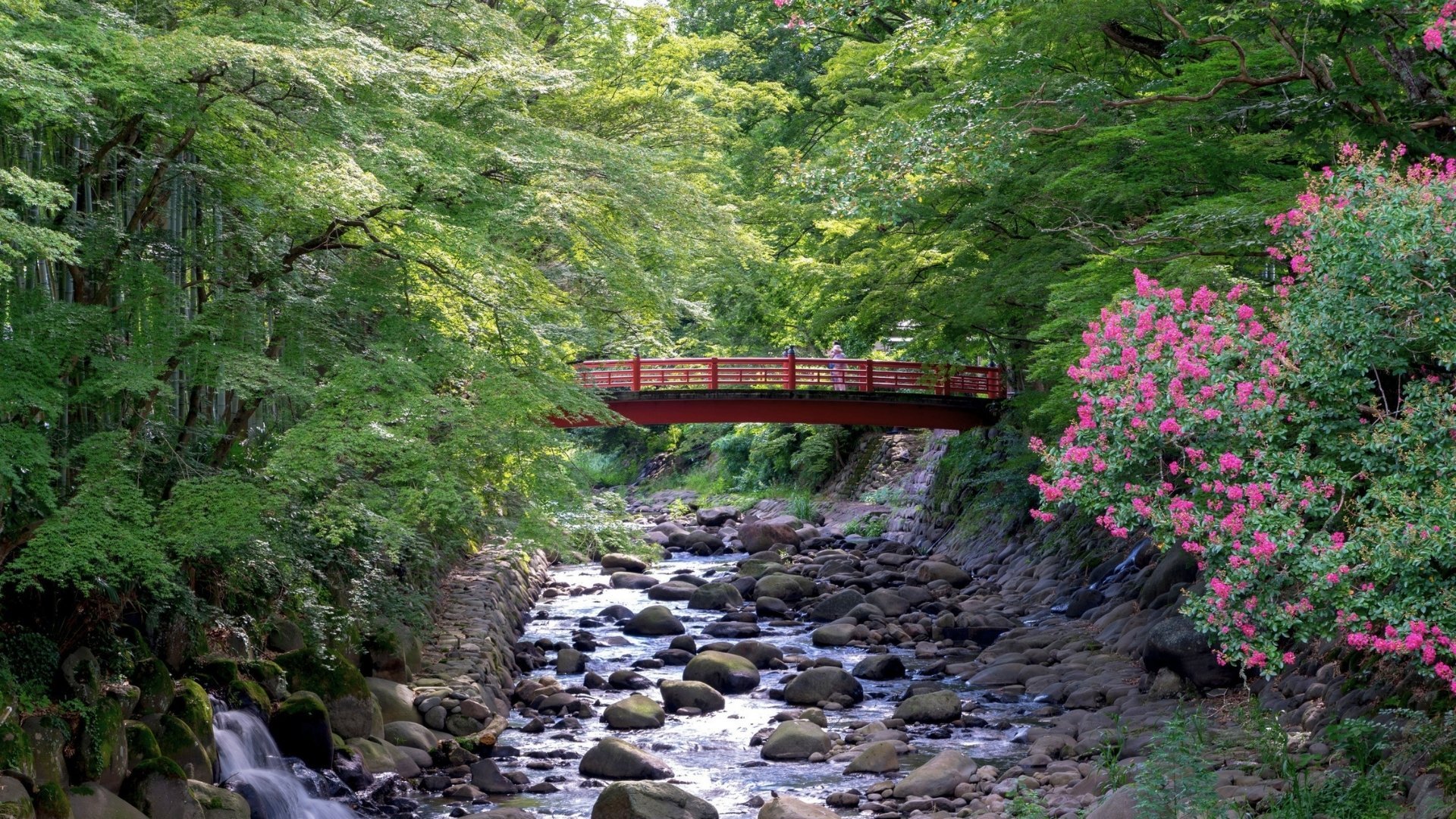
Spend a night in a ryokan, a traditional Japanese inn, in the heart of the small spa town of Shuzenji,
climb up to Izusan Shrine in Atami via its staircase of more than 800 steps, which starts from the seafront,
stroll through the village of Matsuzaki on the west coast, where beautiful houses with namako-kabe walls still stand, featuring the black tiles with white joints typical of the region,
witness the Yamayaki on Mount Ōmuro if you are traveling to Japan in February: locals set fire to the volcano's dry grass, a centuries-old tradition as brief as it is spectacular,
take a boat into Tensōdō Cave in Dōgashima,
taste freshly grated wasabi at the foot of Jōren Falls: nothing like the kind that comes in a tube.

Vincent
Japan Expert 🇯🇵
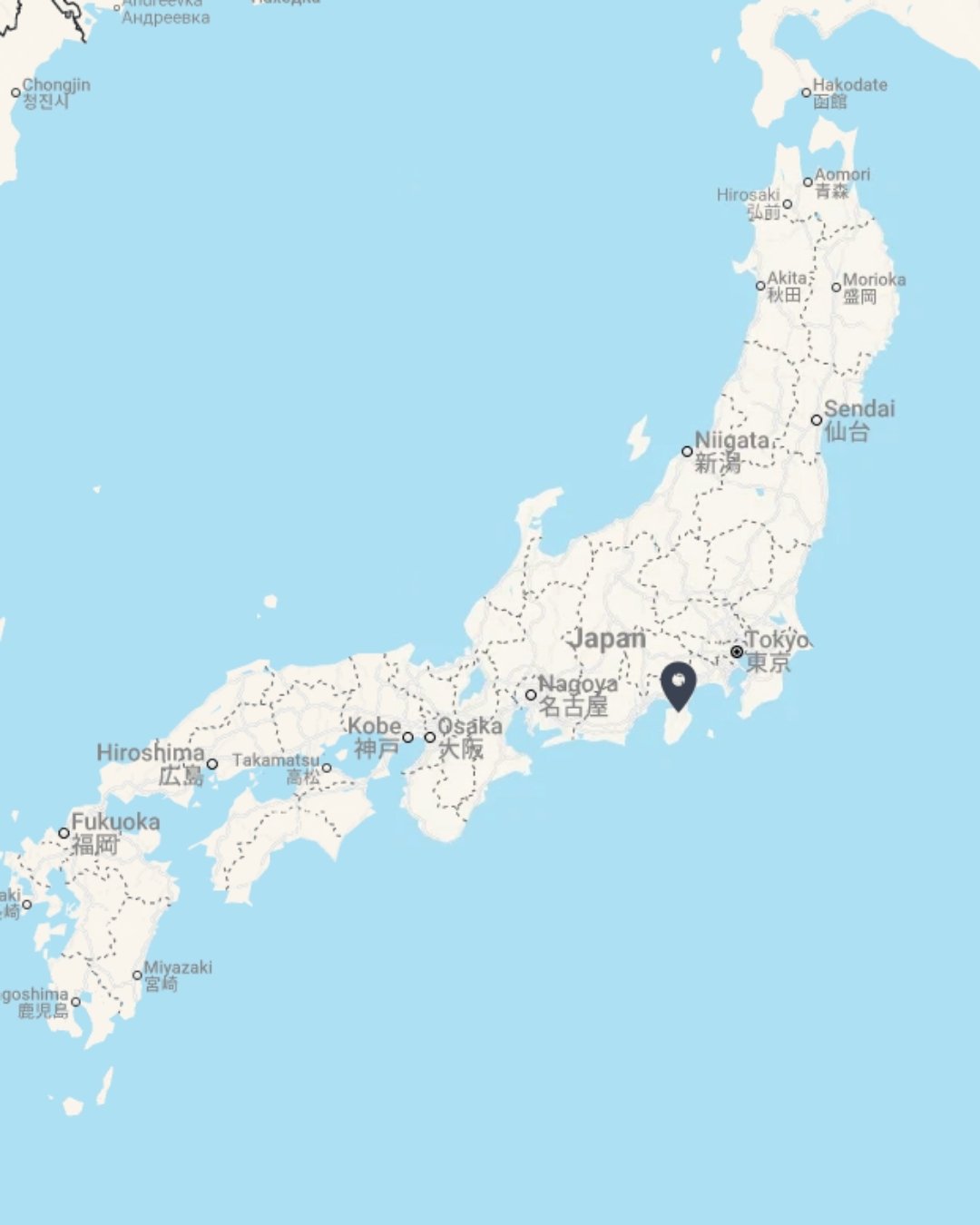
WHAT TO SEE IN IZU
What SEASON to go to Izu?
The best time to visit Izu is from October to May. Thanks to the warm Pacific current, the peninsula enjoys a milder climate than Tokyo, and winter remains pleasant, with often clear skies offering the best views of Mount Fuji. Izu is also where spring arrives earliest in Japan: Atami's plum trees bloom as early as January, followed in February by the Kawazu cherry trees, several weeks ahead of those in the rest of the country. In autumn, temperatures become ideal for hiking again, and Shuzenji's maples take on their colors from mid-November to mid-December.
Summer, however, is less favorable. June is the rainy season, and July to September are hot and humid. Yet this is the peak beach season, when many visitors come to enjoy the beaches of Shimoda.