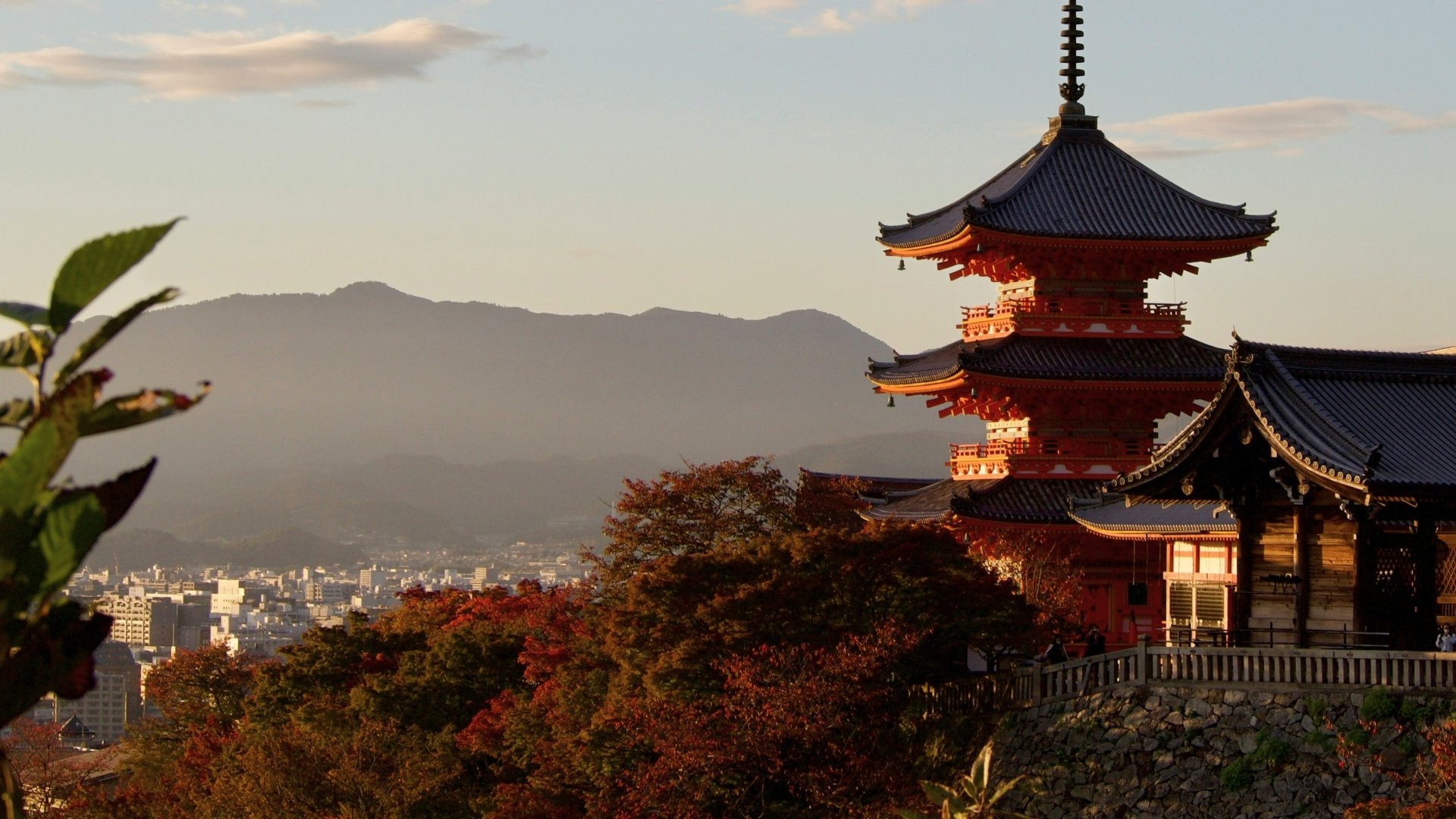
Kyoto
The former imperial capital of Japan for more than a thousand years, Kyoto is the city that best preserves the soul of the country. Here, golden temples stand alongside tropical gardens, bamboo groves stretch as far as the eye can see, and geisha teahouses still stand the test of time in the Gion district. Unlike Tokyo or Osaka, Kyoto is calmer. It is a city to explore on foot, wandering through cobbled lanes and hidden shrines, and it reveals its treasures to those who take the time to look for them.
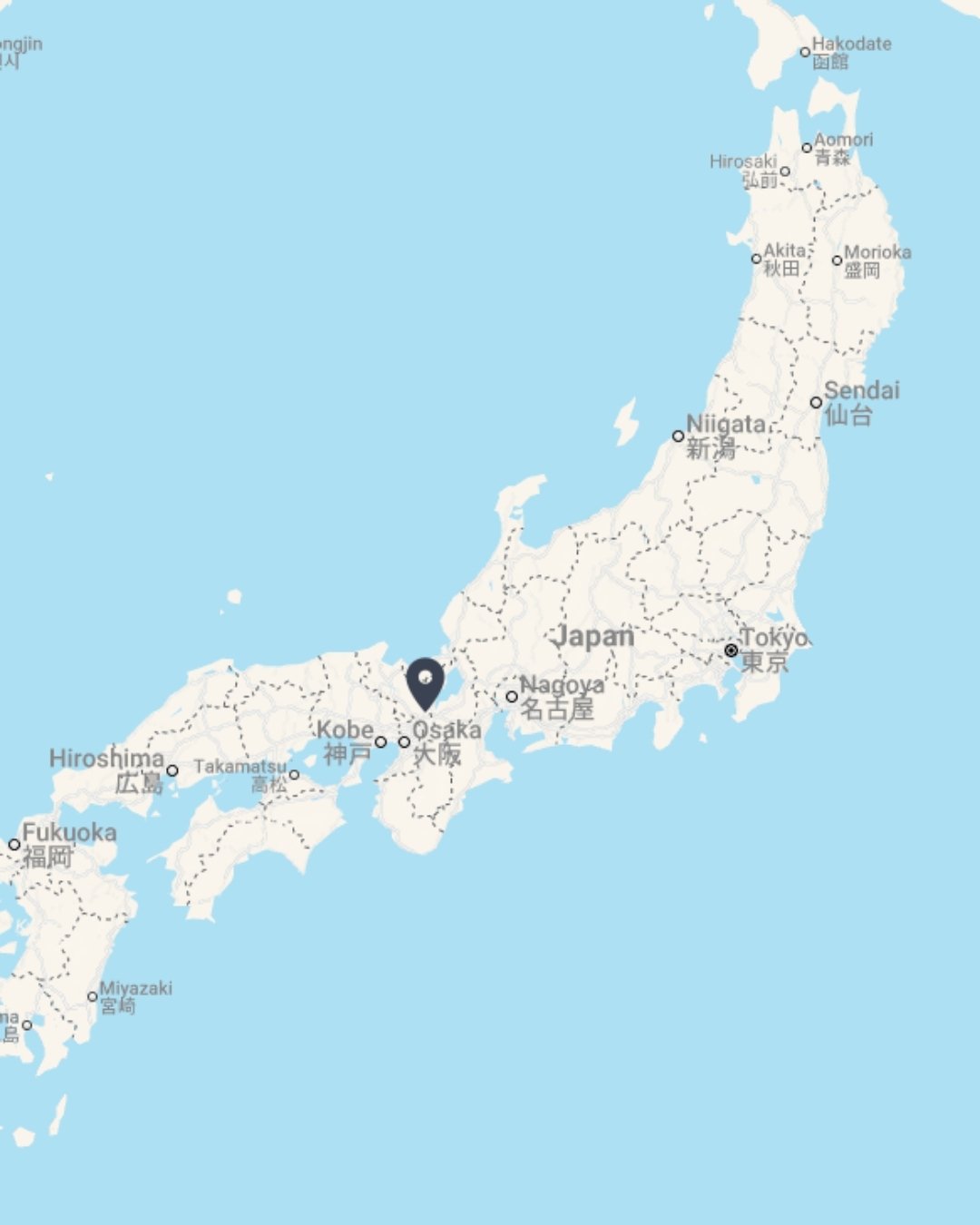
Kyoto at a glance

Kyoto can feel a little intimidating at first, there are so many must-sees that it’s hard to know where to start. My advice: choose three things a day at most. You enjoy the city more when you discover it slowly. My personal favorites not to be missed:
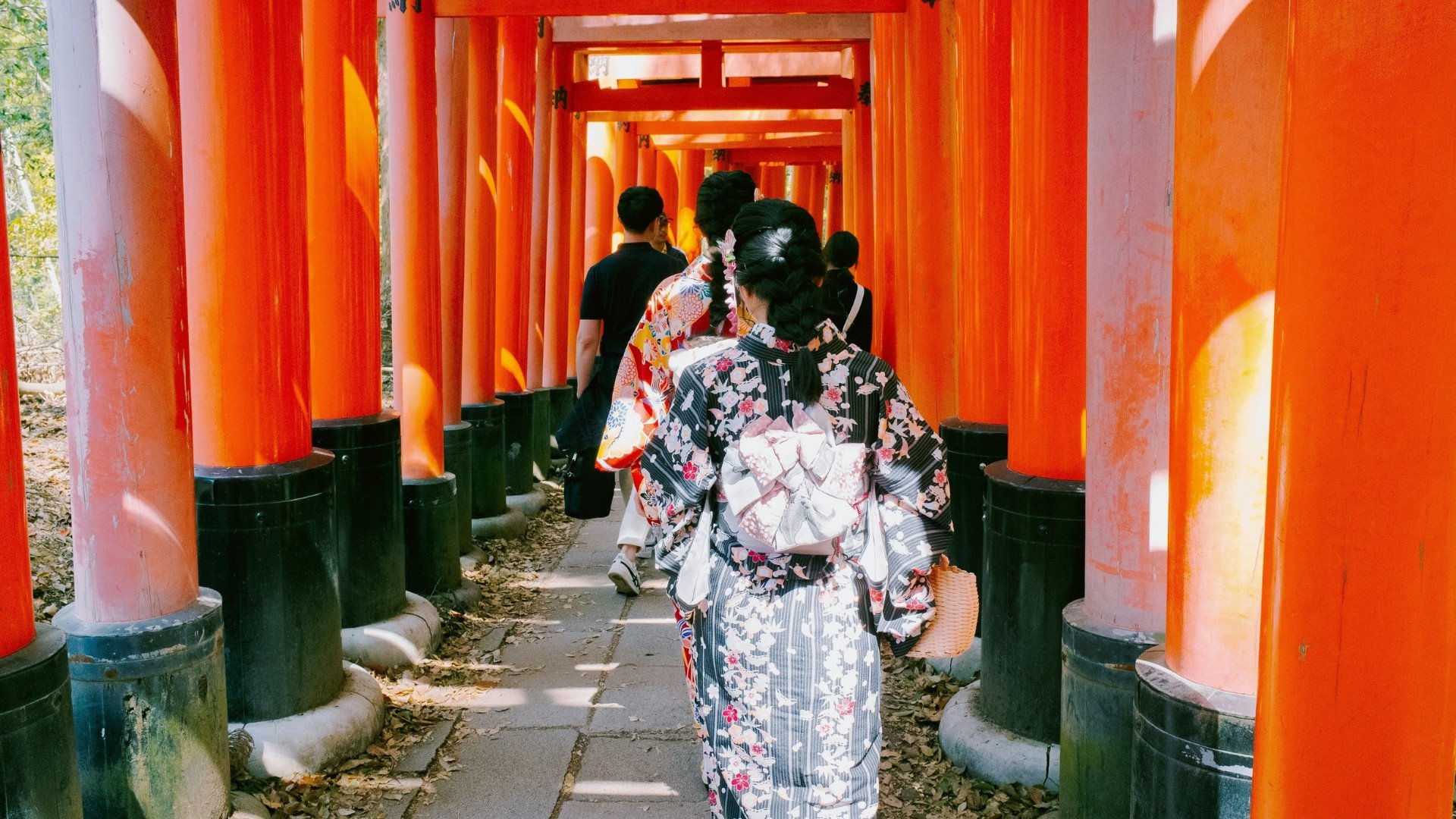
Walk through the tunnel of vermilion torii gates at Fushimi Inari Shrine at sunrise, before the crowds arrive,
a real tea ceremony in a traditional house in Gion,
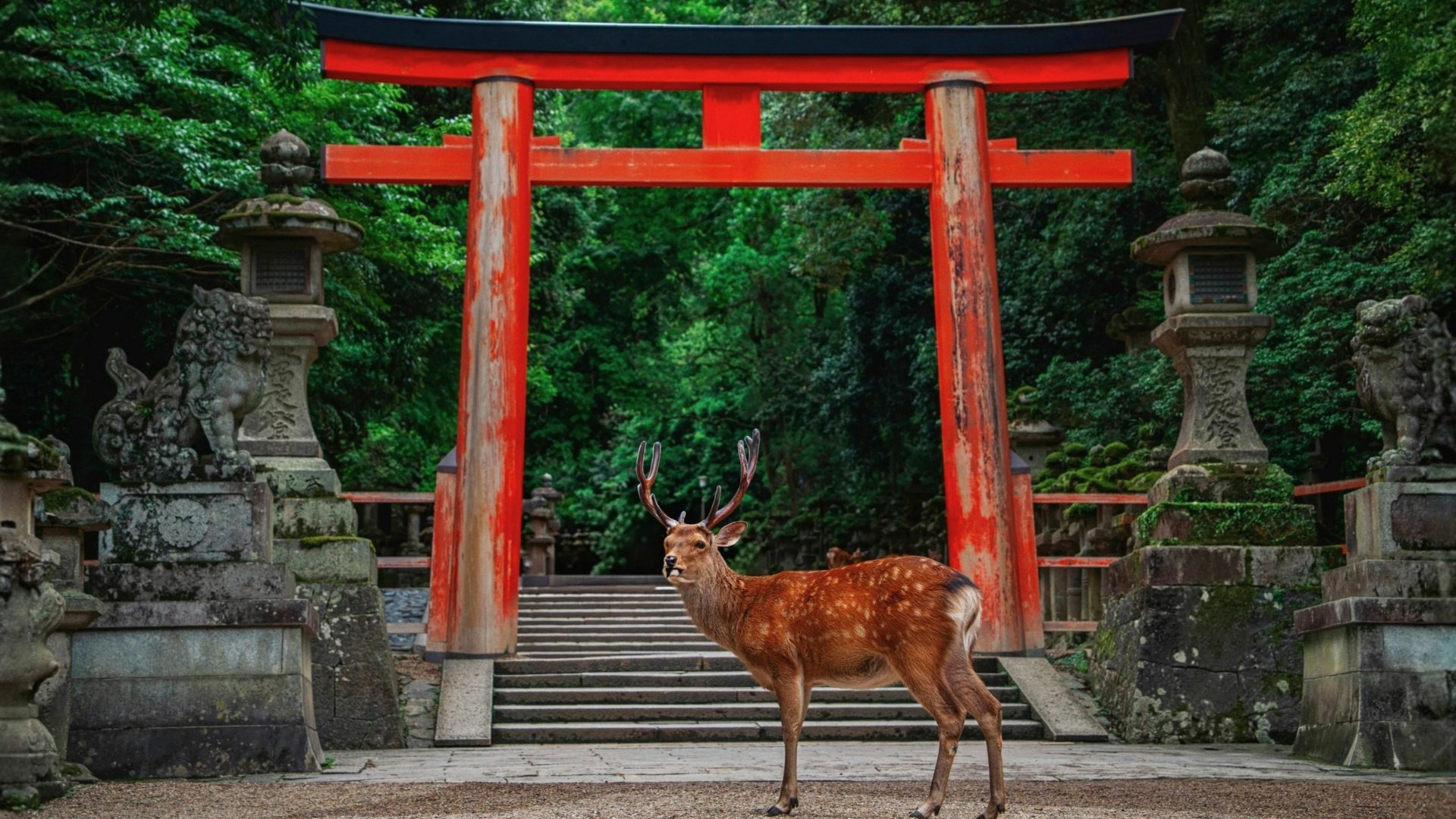
Nara on a day trip: the deer, Tōdai-ji, and the feeling of having traveled 1,300 years back in time,
walk through the Arashiyama bamboo forest early in the morning on a weekday.

Vincent
Japan Expert 🇯🇵
WHAT TO SEE IN KYOTO
What SEASON to go to Kyoto?
To see Kyoto at its best, ÔDASIE particularly recommends spring (late March to mid-April) and autumn (November). In spring, cherry blossoms turn the temples and canals into impressionist paintings. In autumn, the momiji maples set the gardens ablaze with red and orange, in a particularly soft light. These two seasons are the busiest: book your trip several months in advance, especially if you want to stay in the best-located accommodations.
Winter, quieter and often snowy, offers an almost secret Kyoto, ideal for those looking to get off the beaten path.
