Sulawesi
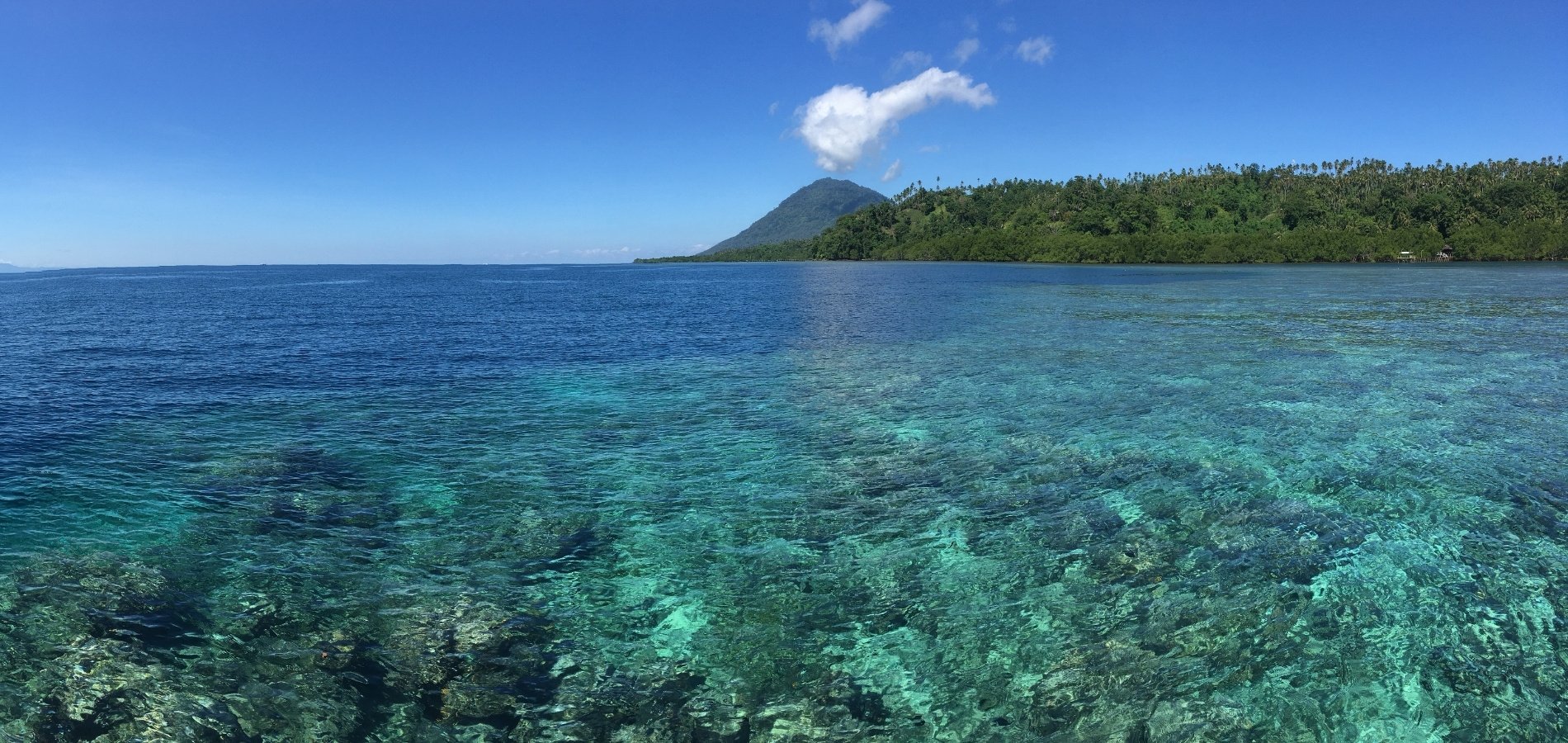
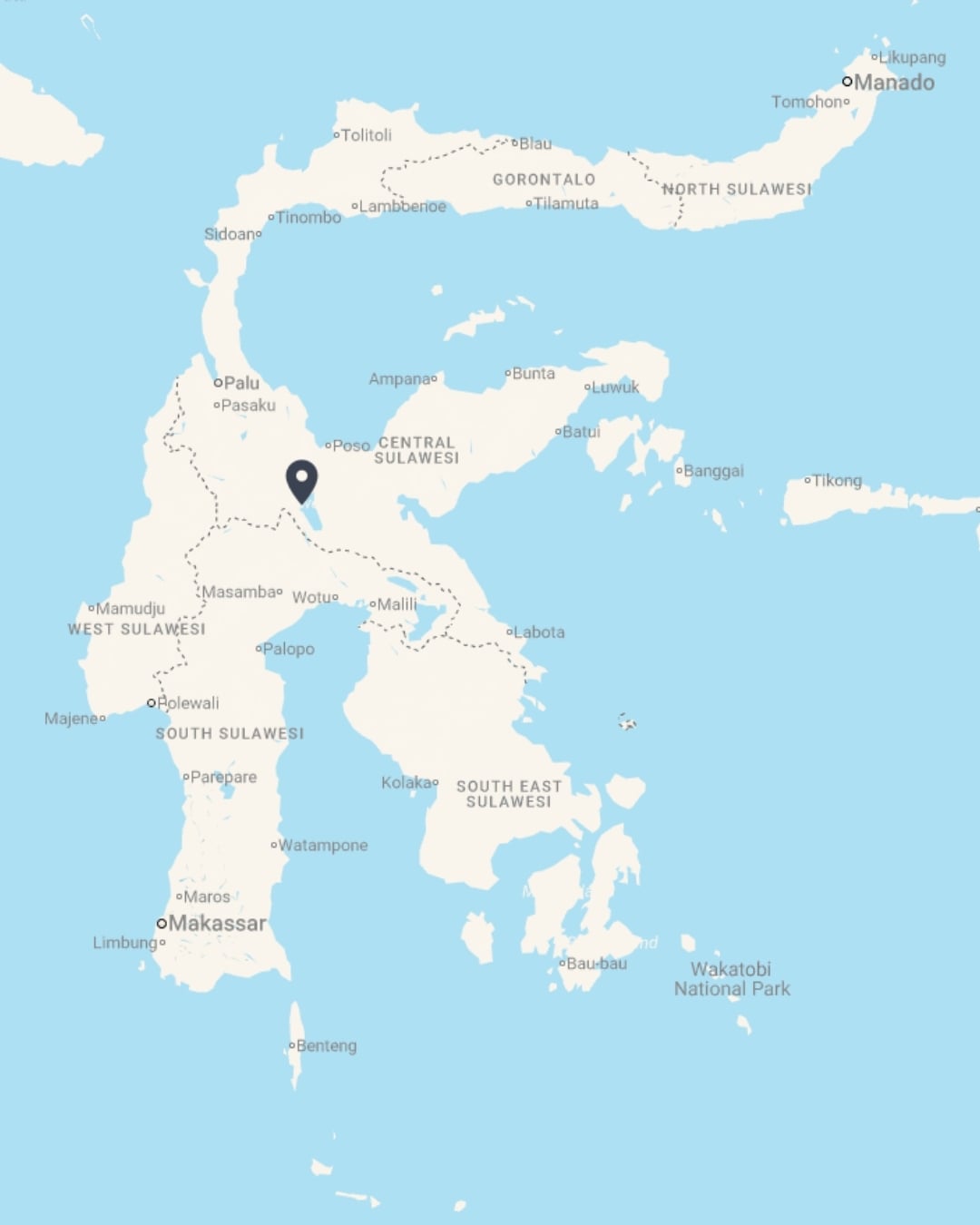
There are islands that you visit. Sulawesi reveals itself. Indonesia's fourth-largest island, its distinctive K-shaped outline on the map sparks curiosity before you even set foot there. Its mist-covered highlands conceal ancient cultures that do not try to be authentic, they simply are. Beneath the surface, the underwater world is among the richest on Earth: coral walls plunging into dizzying blue depths, inhabited by marine life of breathtaking abundance. And in the forests of the north, creatures found nowhere else on the planet watch the rare travelers who venture far enough to encounter them. Sulawesi still possesses something many destinations have lost: the ability to genuinely surprise.
Sulawesi at a glance

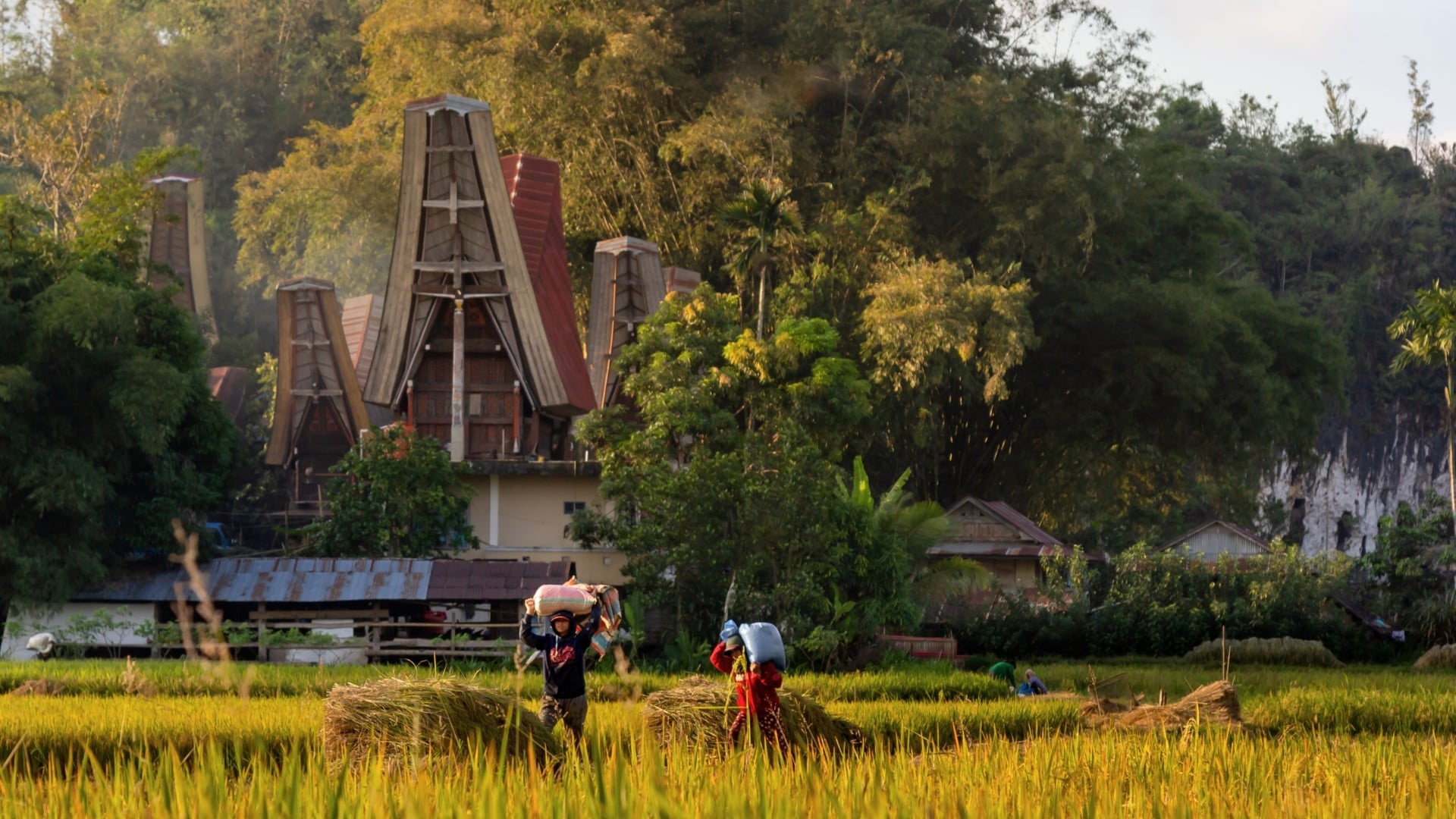
If your trip to Sulawesi coincides with July or August, I strongly encourage you to attend a Toraja funeral ceremony. Far from being a morbid spectacle, it is one of the most moving human experiences I have had in Indonesia. Entire families gather for several days to honor their deceased through songs, feasts and offerings. The villagers welcome visitors with disarming generosity. To experience this respectfully, it is important to go with a local Toraja guide who can make introductions and help you understand the customs of this unique culture.
Also take the time to head out early in the morning to Tangkoko Nature Reserve, near Manado. It is the best place in the world to observe the Celebes crested macaque in the wild and, if you are lucky, the tarsier (one of the smallest primates in the world) after nightfall. These quiet moments in the tropical forest, far from everything, are worth as much as any postcard.

Solène
Indonesia Expert 🇮🇩
WHAT TO SEE IN SULAWESI
What SEASON to go to Sulawesi?
The best time to visit Sulawesi is generally between April and October, during the dry season. Temperatures remain warm (around 28–32°C), the roads in Toraja country are accessible, and sea conditions are favorable for water activities. For Toraja ceremonies, aim for July and August: this is the peak funeral season, when families take advantage of the harvest period to organize the major ceremonies. For diving in Wakatobi, visibility is optimal between May and November. In Bunaken, the site is accessible all year round, with visibility generally at its best between October and May.
If possible, avoid December to February, when rainfall can be heavy in certain regions and make the highland tracks difficult.