Sukhothai
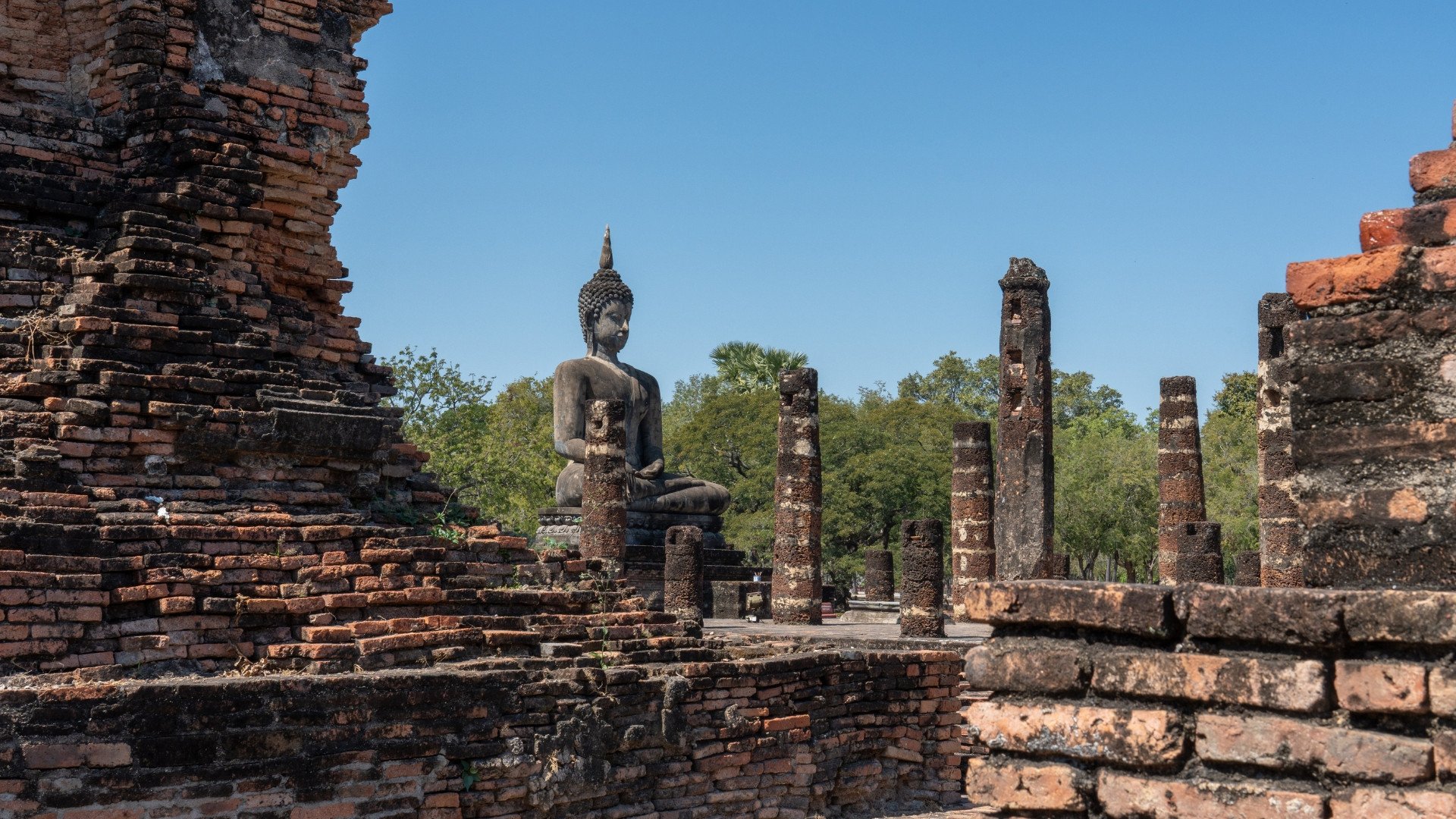
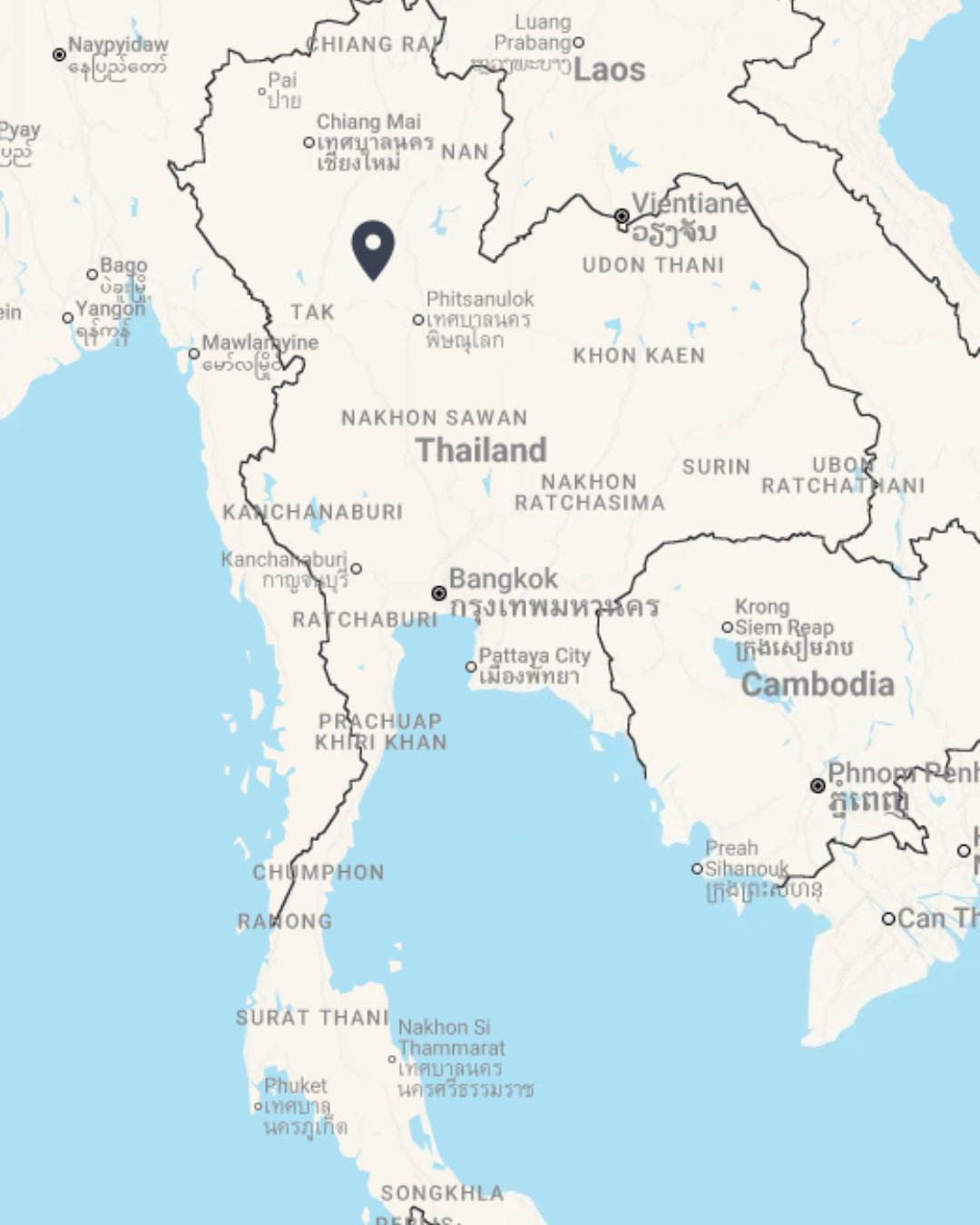
Sukhothai is a province in north-central Thailand, halfway between Bangkok and Chiang Mai. It was here, in the 13th century, that the first Siamese kingdom was born, its name meaning “the dawn of happiness”. Its ancient cities, Sukhothai and Si Satchanalai, have been listed as UNESCO World Heritage Sites since 1991. The province receives far fewer visitors than Ayutthaya and lives mainly from agriculture and its small craft workshops. The temples can be visited in peace, often by bike, among locals who still come to pray there.
Sukhothai at a glance

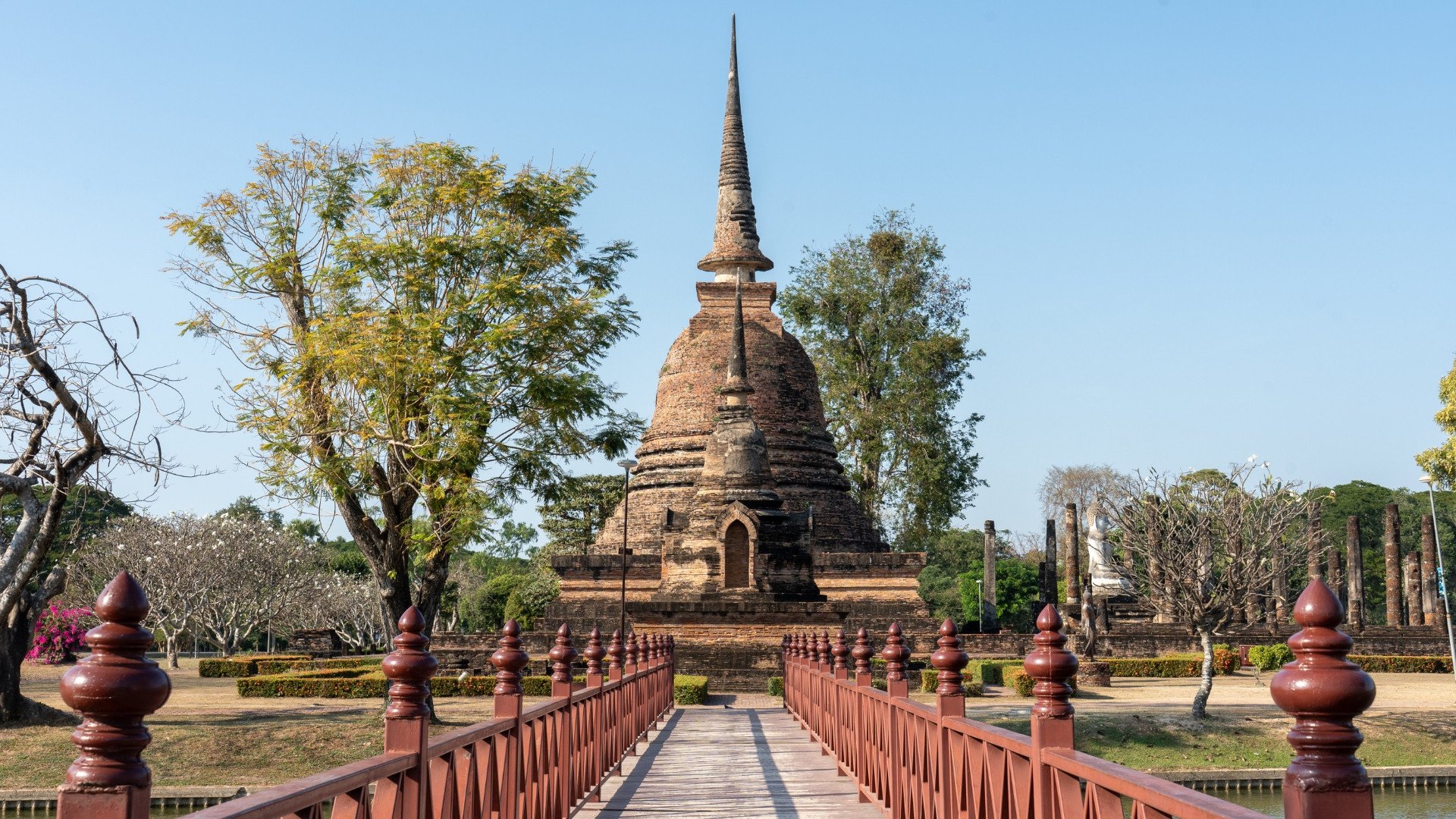
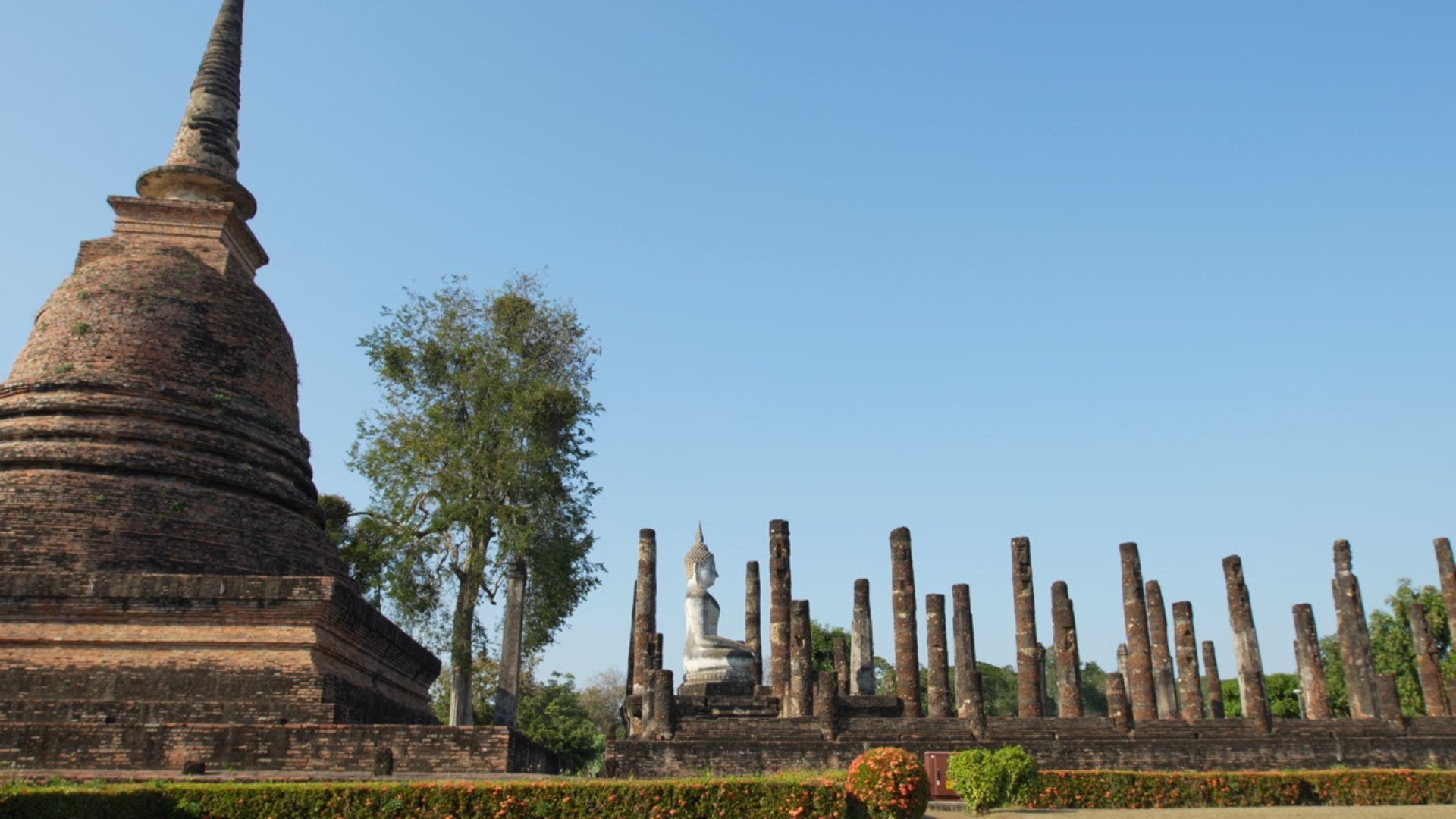
I especially recommend Sukhothai to those who love culture and authentic experiences, and who also like to take their time. The historical park is best visited early in the morning, while it is still cool. At that hour, there are often only a few locals around Wat Mahathat. For dinner, I always go for Sukhothai noodles at a small stall in the old quarter. During your stay, here is what I recommend you don’t miss:
getting up before 6 am for the tak bat and placing your offering in the monks’ bowls,
cycling around the central zone at sunrise,
entering Wat Si Chum through the gap in the wall and coming face to face with the great seated Buddha,
making your own amulet with a family of artisans in old Sukhothai,
heading out to Si Satchanalai, where the temples are scattered through the forest and you’ll meet very few people.

Nicolas
Thailand Expert 🇹🇭
WHAT TO SEE IN SUKHOTHAI
What SEASON to go to Sukhothai?
The best time to visit Sukhothai is from November to February. The weather is dry, around 30°C in the afternoon, and the mornings are cool. This is when you can spend much of the day in the historical park without suffering from the heat. If you’re travelling in November, try to time your stay with Loy Krathong, the festival of lights. It’s a very popular period, so plan ahead.
From March to May, the heat rises quickly and often exceeds 38°C in April. It’s best to visit at dawn and late in the day to avoid the scorching afternoon heat. On the other hand, the sites are almost deserted, and the town comes alive in mid-April for Songkran, the Thai New Year.
From June to October, it’s the rainy season. Showers mostly fall late in the day and don’t stop you from sightseeing, and the rice fields around the town are a deep green.
