
Hatila Valley National Park, a spectacular canyon at the gates of the city
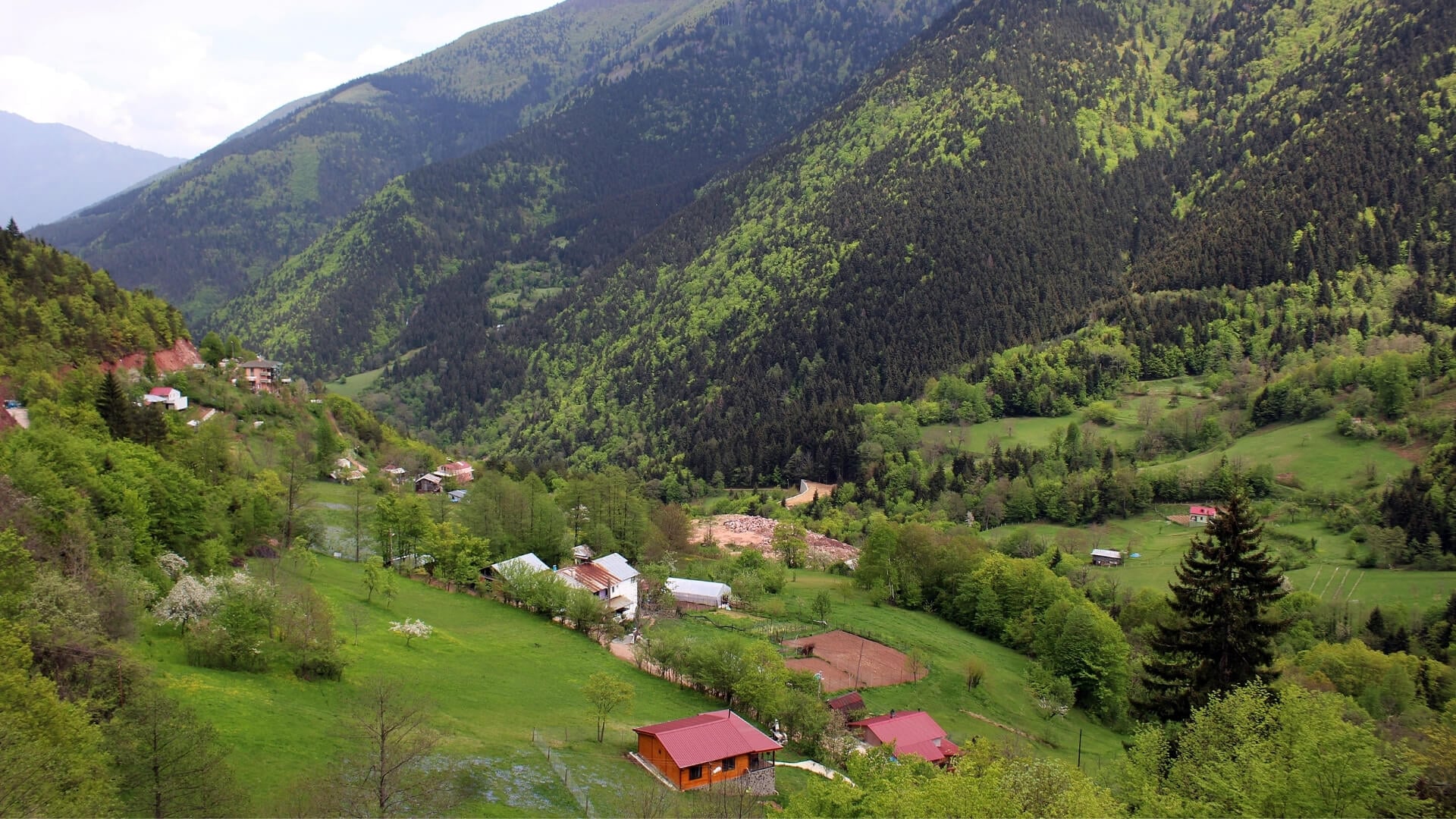
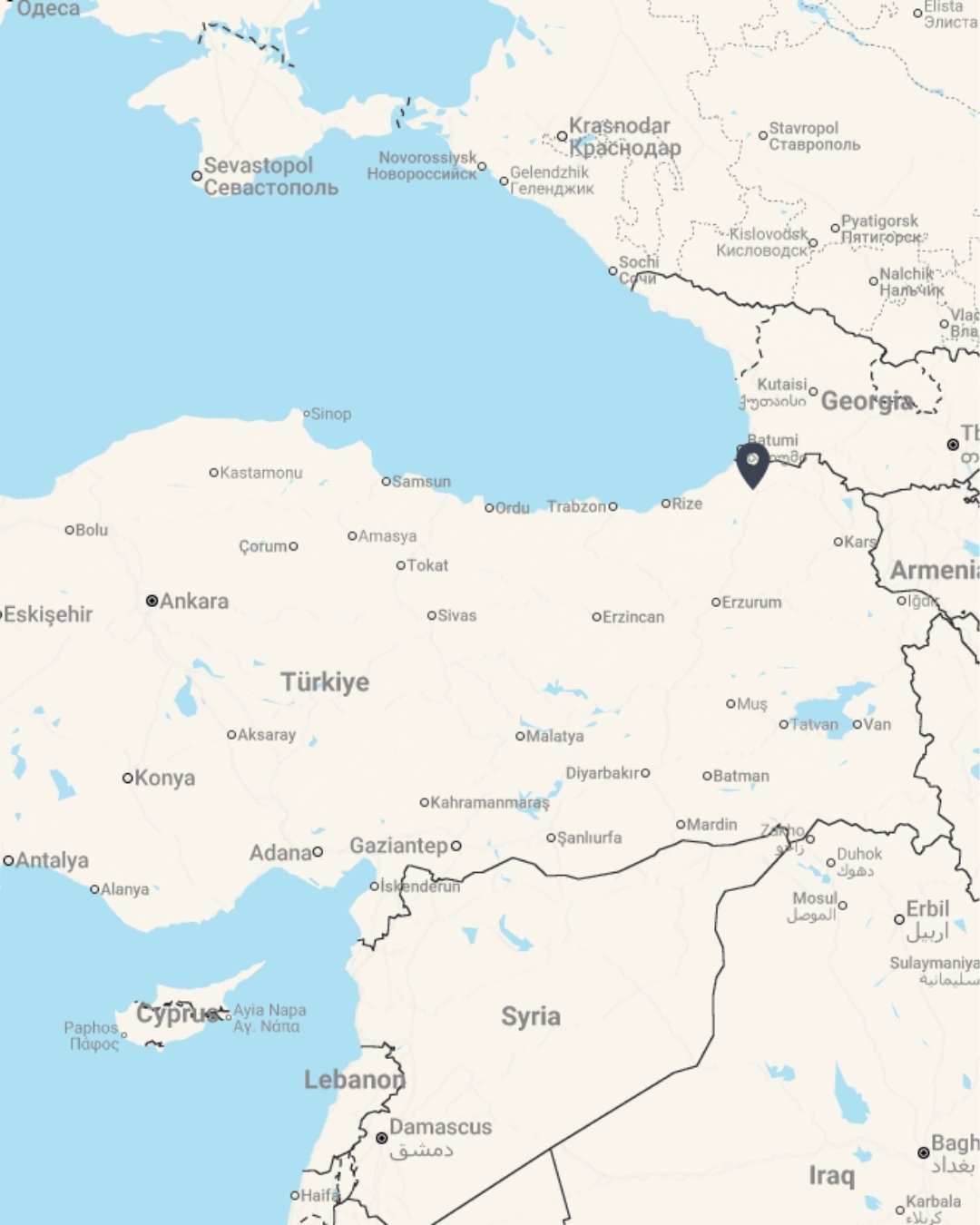
Just a few kilometers from the center of Artvin, Hatila Valley National Park (Hatila Vadisi Milli Parkı) reveals one of the most striking landscapes in the region. Carved by the waters rushing toward the Çoruh River, this deep canyon with vertiginous cliffs shelters remarkable biodiversity, shaped by the meeting of the humid Black Sea climate and the dryness of the inland valleys. Visitors encounter surprisingly varied vegetation, from dense forests to more arid slopes.
It is a prime destination for hiking and nature observation, best explored at a slow pace by those who want to take their time. Its immediate proximity to the city makes it an ideal escape for a first immersion into the landscapes of Artvin, before venturing deeper into the province.
Descending the Çoruh River, one of the world’s greatest rafting rivers
The Çoruh River is the soul of Artvin. This powerful river, which has shaped the province’s spectacular valleys over thousands of years, is internationally renowned among rafting and kayaking enthusiasts for the quality of its rapids. Its strength and succession of turbulent passages create conditions rarely found elsewhere, attracting adventurers from all over the world each year. Beyond the pure adrenaline, descending the Çoruh means traveling through breathtaking landscapes, between steep cliffs and lush green slopes, in the heart of preserved nature.
Please note: the construction of several large dams on the Çoruh has modified certain sections of the river in recent years. It is important to check with a local operator which sections remain navigable and during which season, as the situation continues to evolve.
The Maçahel Valley, a UNESCO Biosphere Reserve
Nestled near the Georgian border, in the district of Borçka, the Maçahel Valley (also known as the Camili Basin) is one of Artvin’s most precious jewels. The first biosphere reserve in Turkey recognized by UNESCO, it is believed, according to several sources, to contain one of the oldest forests in Europe. This remote territory, accessible via a winding mountain road, captivates visitors with its complete authenticity: isolated villages, wooden architecture, and hiking trails leading to glacial lakes hidden high in the mountains.
Maçahel is also famous for its traditional beekeeping and its renowned honey, produced by an endemic bee species native to the region. A stop here promises a journey out of time, discovering a preserved way of life.
Karagöl-Sahara National Park and its crater lakes
In the district of Şavşat, Karagöl-Sahara National Park protects a group of crater lakes set within thick spruce and fir forests. The most famous among them, Karagöl (“Black Lake”), takes its name from the dark reflections on its waters, which perfectly mirror the surrounding mountains and trees. The peaceful and almost unreal setting makes it one of the most photographed places in the province.
It is an ideal destination for hiking, picnicking, and immersing yourself in nature, especially in autumn when the forests turn brilliant shades of red and gold. The park perfectly illustrates Artvin’s reputation as the “province of forests.”
The yaylas, high plateaus where tradition lives on
No trip to Artvin would be complete without visiting one of its yaylas, the high-altitude plateaus where locals traditionally graze their herds during the summer. The plateaus of Sahara, Arsiyan, and Mersivan are among our favorites. Here, visitors discover the region’s characteristic wooden architecture, where houses, barns, and granaries are entirely built from wood.
In winter, the Mersivan Plateau transforms into a ski destination: the Atabarı ski resort offers ski lifts and slopes just a short distance from the center of Artvin. Summer or winter, the yaylas embody the mountainous soul of the province.
Artvin Castle, a sentinel above the Çoruh River
Perched on a steep hill at the entrance of the city, Artvin Castle (also known as Livane Castle) has watched over the banks of the Çoruh River for centuries. It is believed to have been built in the 10th century under a Georgian ruler, before being modified several times during the Ottoman period. Although the structure is now partially in ruins, the site remains a beautiful testimony to the region’s rich past, at the crossroads of Georgian and Ottoman influences, and offers pleasant views over the valley.