

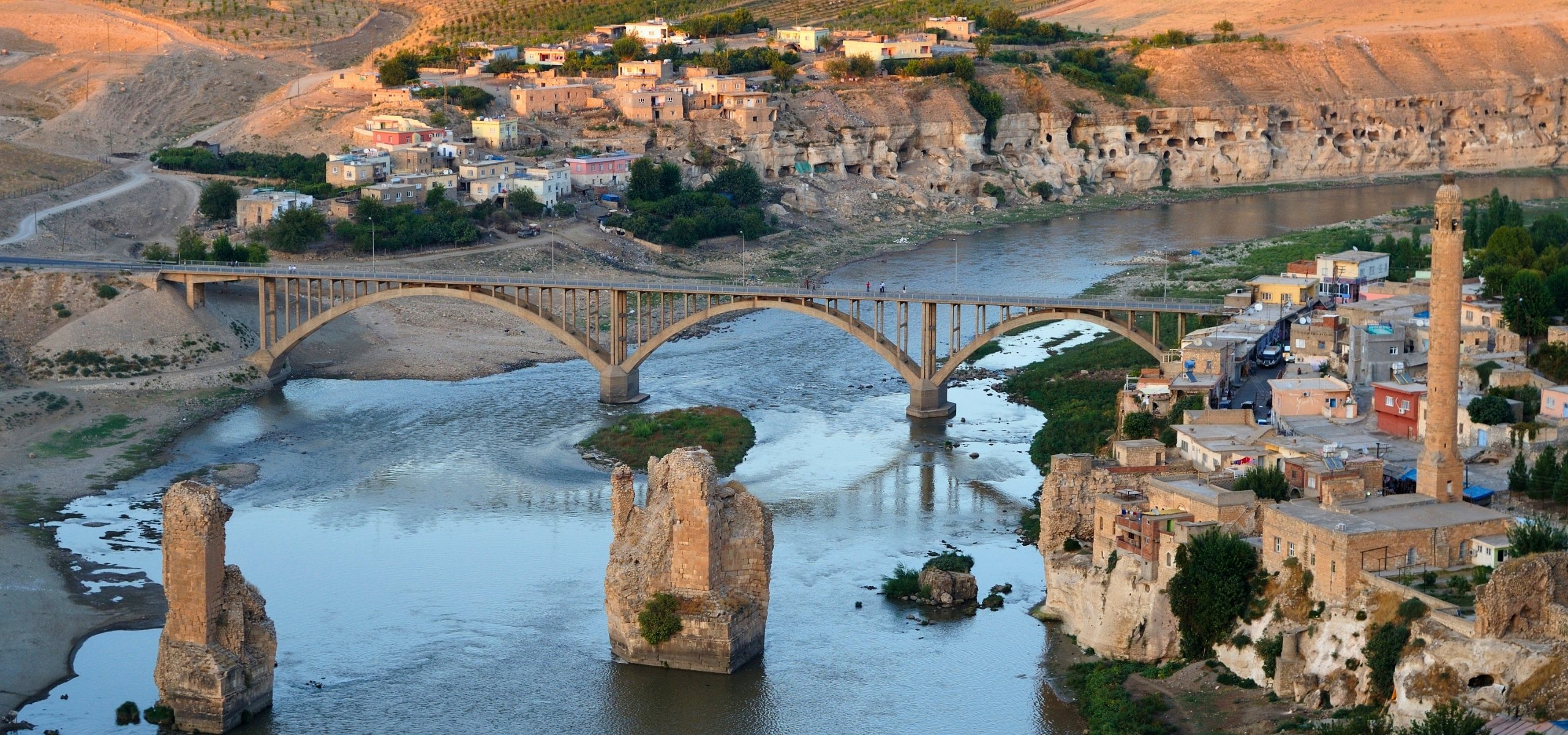
The Citadel and what remains of the Old Town
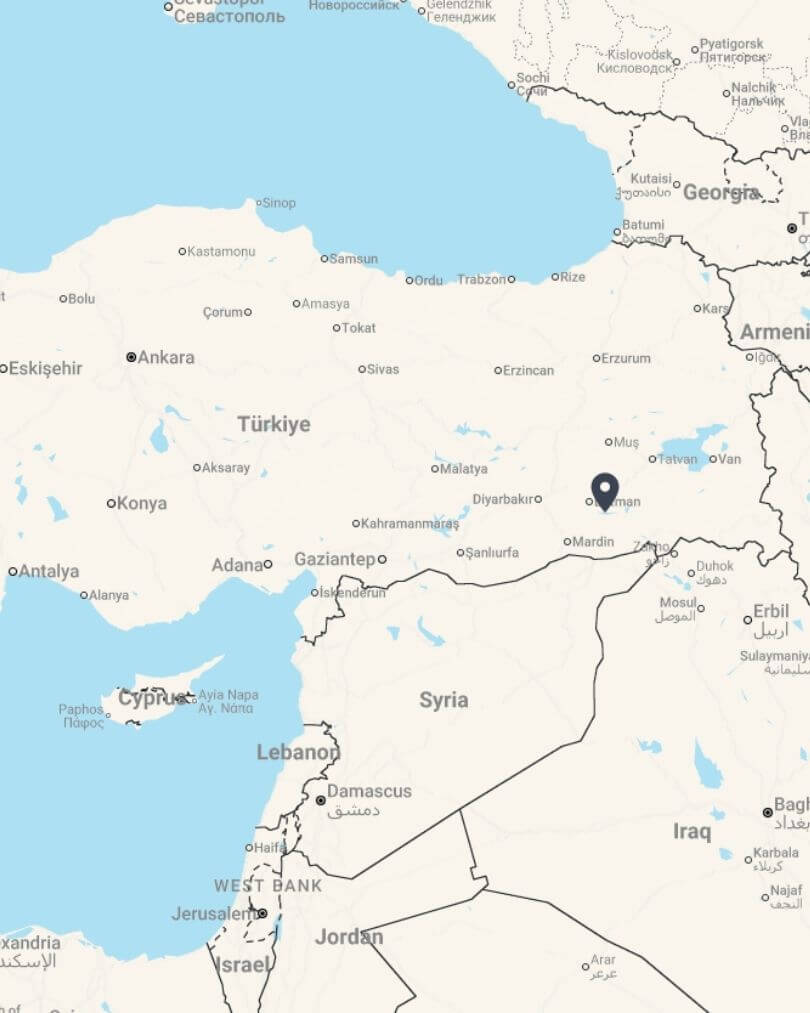
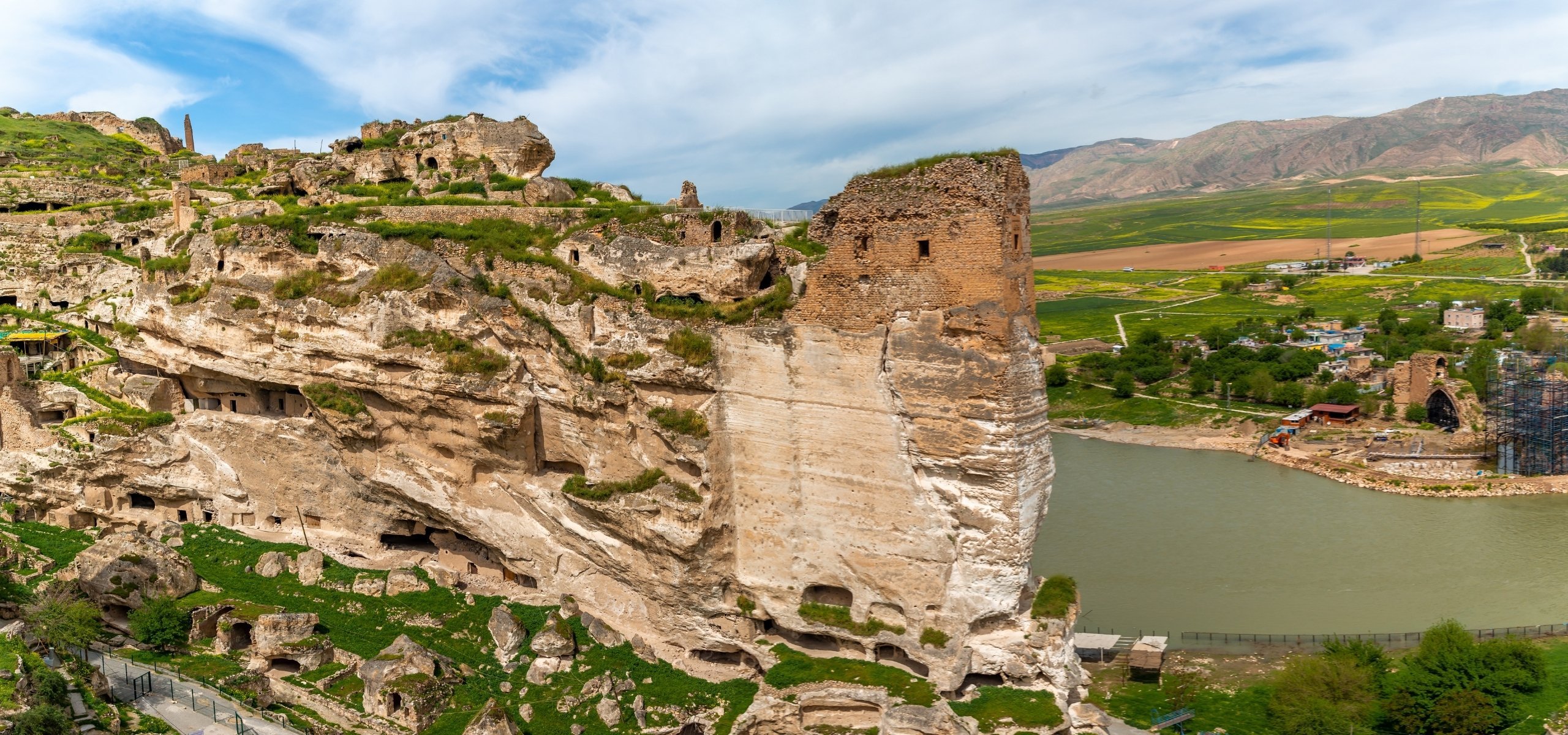
Perched atop an impressive cliff overlooking the Tigris River, the citadel of Hasankeyf is the most iconic symbol of this ancient city with a history spanning several millennia. Occupied over the centuries by numerous civilizations, including the Romans, the Artuqids, and the Mongols, it bears witness to the strategic importance this region long held along the major trade routes of Mesopotamia.
Although a large part of the old town was submerged following the filling of the Ilisu Dam reservoir in 2019, some remains are still visible and continue to tell the site's extraordinary story. From the viewpoints built around the citadel, travelers can enjoy a spectacular panorama combining limestone cliffs, ruins, and vast expanses of water.
The relocated monuments
In order to preserve part of Hasankeyf's exceptional heritage before the rising waters, several historic monuments were successfully relocated to a cultural park located near the new town. These rescue operations, among the most impressive ever carried out in Turkey, made it possible to preserve major structures dating from different periods of local history. Among them is the Artuqid Hammam, over 650 years old and weighing nearly 1,600 tons, which was transported on a platform specially designed for the occasion.
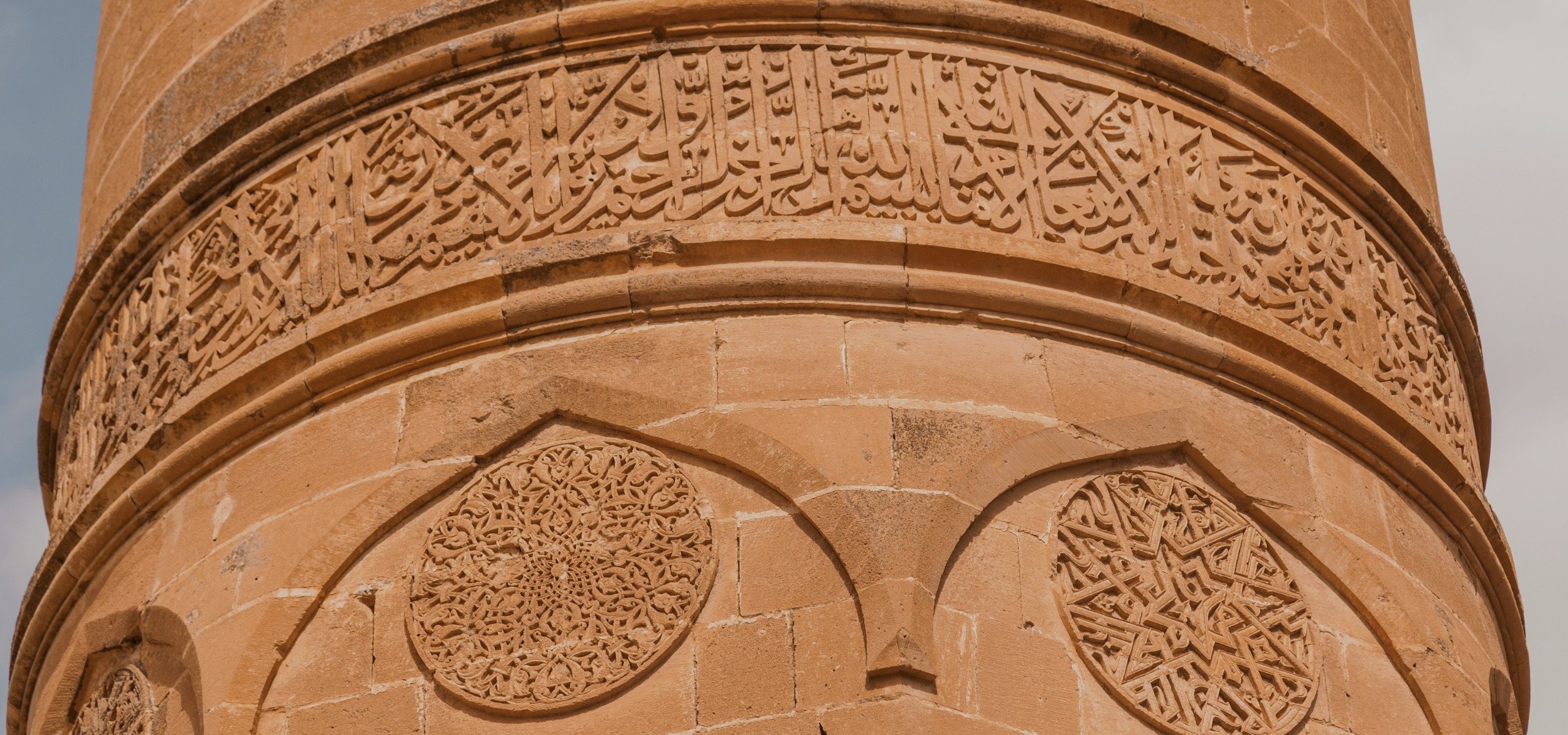
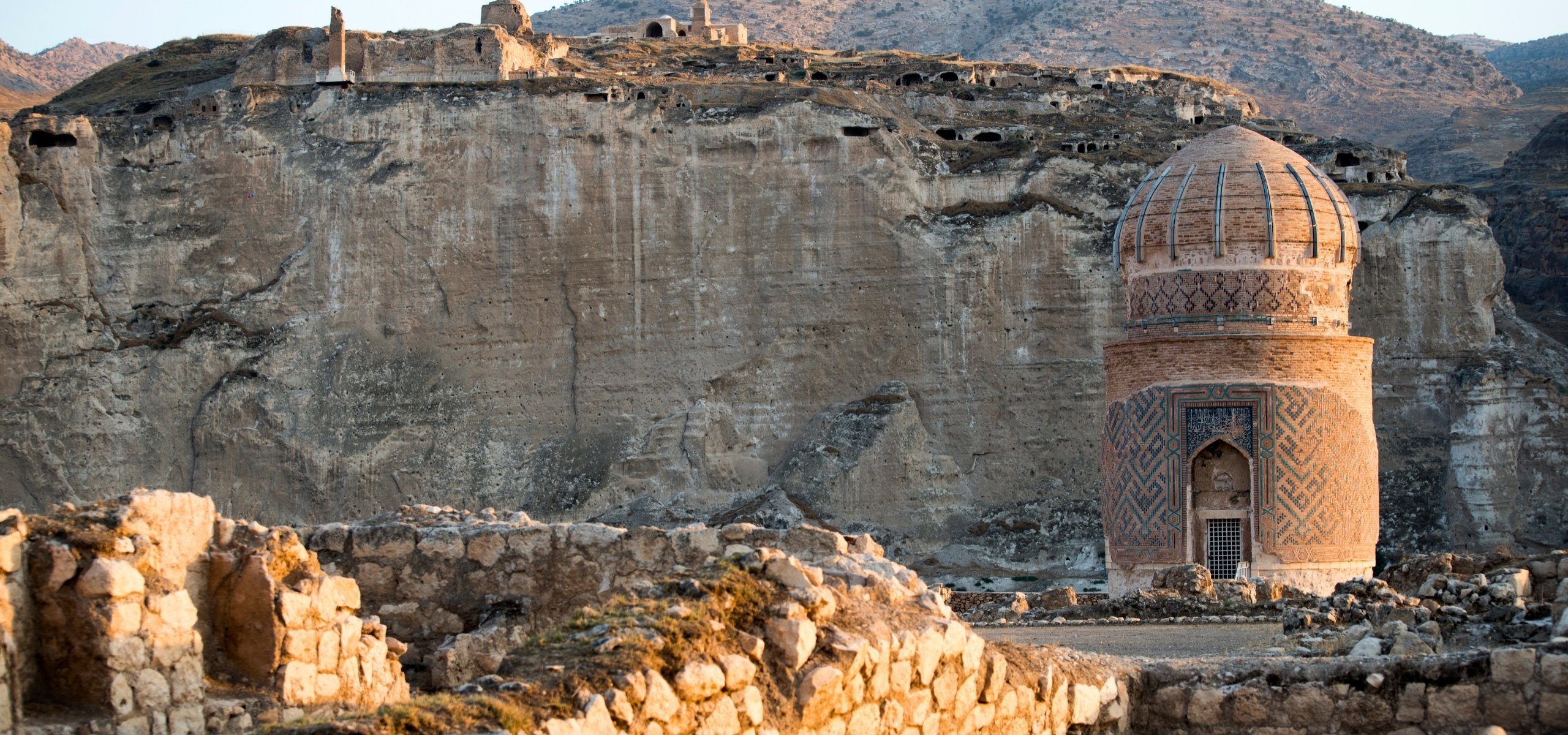
Visitors can also discover the majestic Zeynel Bey Mausoleum, recognizable by its elegant decoration of bricks and turquoise tiles, as well as a mosque and several other historic structures. Today, this park serves as the main center for discovering Hasankeyf's heritage and provides a deeper understanding of the cultural richness of this ancient city with an extraordinary destiny.
Yeni Hasankeyf (the New Town)
Built on the northern bank of the Tigris, Yeni Hasankeyf was constructed to accommodate the tens of thousands of residents forced to leave the old town before it was submerged. With its modern infrastructure, wide avenues, and new residential districts, it contrasts sharply with the historic charm and narrow streets of old Hasankeyf. Beyond its functional role, the new town tells the story of a profound human and social transformation. A visit provides a better understanding of the dam's impact on the lives of local communities and the challenges involved in preserving the identity of a community that had been established here for centuries.
The Tigris and the reservoir landscape
The Tigris, one of the great rivers of the Middle East, remains the central element of the landscape and identity of the town. For millennia, its waters supported the development of the civilizations that settled along its banks, shaping the region's history, agriculture, and trade. Today, the river feeds the vast reservoir created by the Ilisu Dam, offering new panoramas that contrast with those of the past. Boat excursions allow visitors to explore these magnificent landscapes, observe the cliffs rising above the water, and appreciate the scale of the transformations the site has undergone. Between nature and history, this journey on the water offers one of the best ways to understand the extent of the change experienced by Hasankeyf.