

Discovering the historical highlights of Sultanahmet
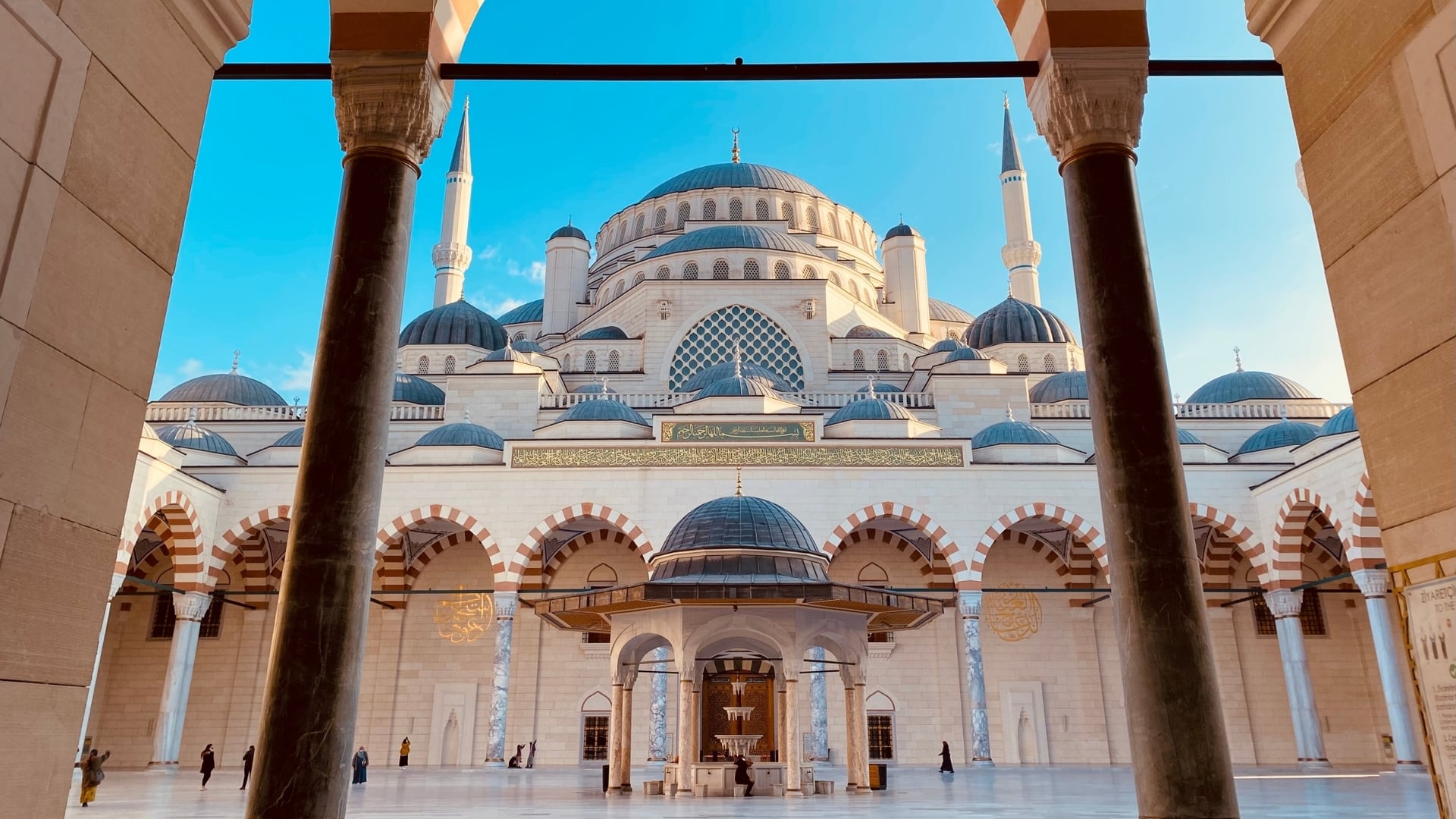
It is impossible to visit Istanbul without exploring the historic district of Sultanahmet, the heart of the former Byzantine and later Ottoman Empire. This is where some of Turkey’s most iconic monuments are located. The Blue Mosque impresses visitors with its six minarets and its immense interior covered in blue ceramic tiles. Just opposite, Hagia Sophia alone tells part of Istanbul’s history, between Christian and Ottoman influences. A few minutes away on foot, the Basilica Cistern reveals an almost unreal atmosphere with its submerged columns and dim lighting. The district is easy to explore on foot and is particularly pleasant early in the morning or at the end of the day, when the atmosphere becomes calmer.
Sailing on the Bosphorus at sunset
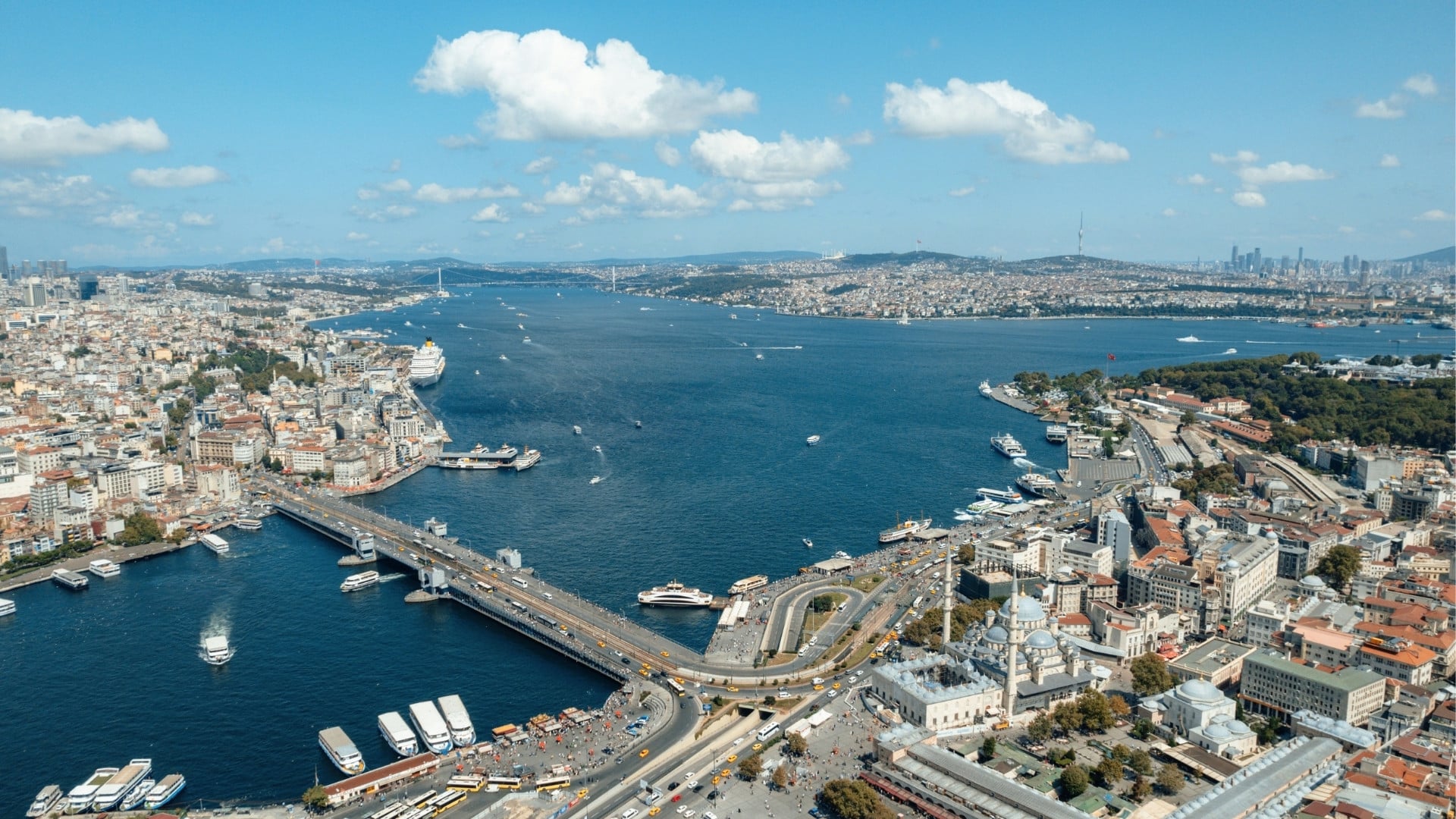
The Bosphorus is an essential part of Istanbul’s identity. This natural border between Europe and Asia offers some of the city’s most beautiful panoramas. Taking a local ferry or joining a sunset cruise allows visitors to discover Istanbul from another perspective: Ottoman palaces, mosques, wooden villas, and the modern skyline unfold along the shores while seagulls follow the boats. It is also one of the best ways to feel the rhythm of the city and understand how omnipresent the water is in the daily lives of its inhabitants.
Getting lost in the colorful streets of Balat and Fener
Former Greek and Jewish districts of Istanbul, Balat has an atmosphere completely different from the rest of the city. The streets are calmer, the buildings colorful, and independent boutiques are gradually replacing traditional shops. People mainly come here to wander without a specific itinerary, photograph the old façades, discover hidden cafés, and observe the daily life of the locals. The district perfectly blends historical Istanbul with today’s creative and artistic side of the city.
Exploring the Grand Bazaar and the Spice Market
With its thousands of shops and labyrinthine passages, the Grand Bazaar remains one of the most famous markets in the world. Jewelry, lanterns, carpets, ceramics, leather goods, spices, and textiles: you can find absolutely everything here in a lively atmosphere that is typically Istanbul. Just a few minutes away, the Spice Market offers a more local and sensory experience. The smells of tea, Turkish coffee, and spices fill the alleys while merchants call out to passersby. Even without buying anything, these markets are an essential part of the Istanbul experience.
Discovering modern Istanbul in Karaköy and Galata
Long considered a popular port district, Karaköy is now one of the city’s liveliest and most creative areas. Trendy cafés, art galleries, modern restaurants, and fashionable rooftops coexist with traditional workshops and small local shops. Climbing the cobbled streets leads to the famous Galata Tower, one of the best viewpoints over Istanbul. The neighborhood becomes especially lively in the evening, with its bars, restaurants, and terraces frequented by both locals and travelers.
Crossing to the Asian side
Many travelers stay only on the European side, even though the Asian side is one of the most pleasant parts of Istanbul. Kadıköy in particular has a more relaxed, residential, and often more local atmosphere. It is home to excellent restaurants, markets, cafés, independent bookstores, and a very dynamic cultural scene. Crossing the Bosphorus by ferry to reach Asia is one of the must-do experiences during a stay in Istanbul.
Tasting Istanbul’s gastronomy
Istanbul is probably one of the best cities in the world for discovering Turkish cuisine. Between street food, traditional restaurants, and modern gastronomic addresses, the city offers incredible diversity.
Among the essential specialties:
simits sold in the streets,
regional kebabs,
mezzes,
grilled fish from the Bosphorus,
baklavas,
and the famous Turkish breakfast served in neighborhood cafés.