

Göbekli Tepe
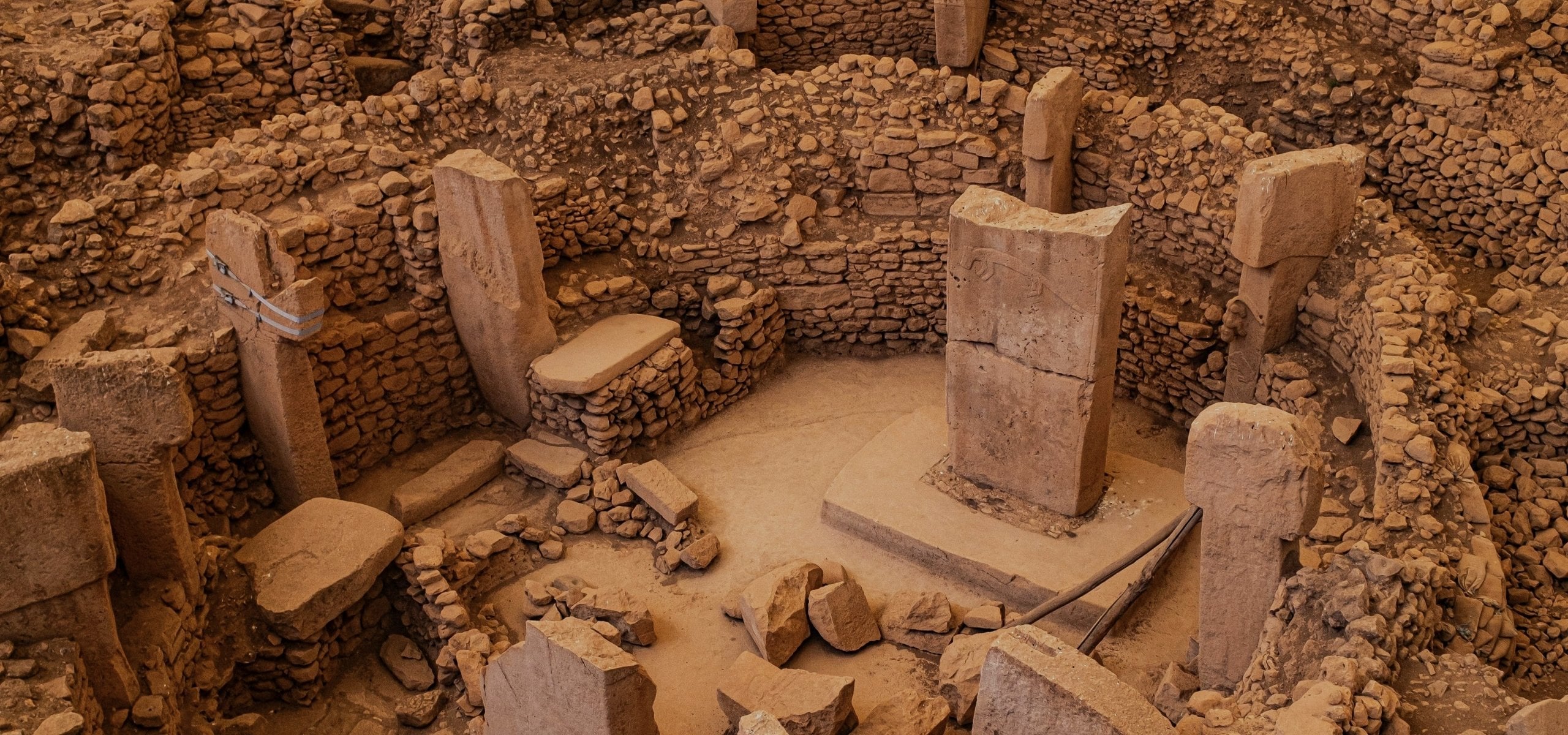
Göbekli Tepe is considered one of the most important archaeological discoveries of the 21st century. Listed as a UNESCO World Heritage Site since 2018, this monumental sanctuary dates back to around 9600 BC, several millennia before the pyramids of Egypt. The site consists of vast circular enclosures built around imposing stone pillars carved with representations of animals such as foxes, snakes, vultures, and wild boars. Its discovery profoundly transformed our understanding of the origins of civilization, as it was built by groups of hunter-gatherers even before the emergence of agriculture and the first cities. Today, visitors can walk along elevated pathways offering exceptional views of the excavated structures while discovering the fascinating history of this site, which may be the oldest known religious sanctuary in the world.
Balıklıgöl (the Pool of Sacred Fish)
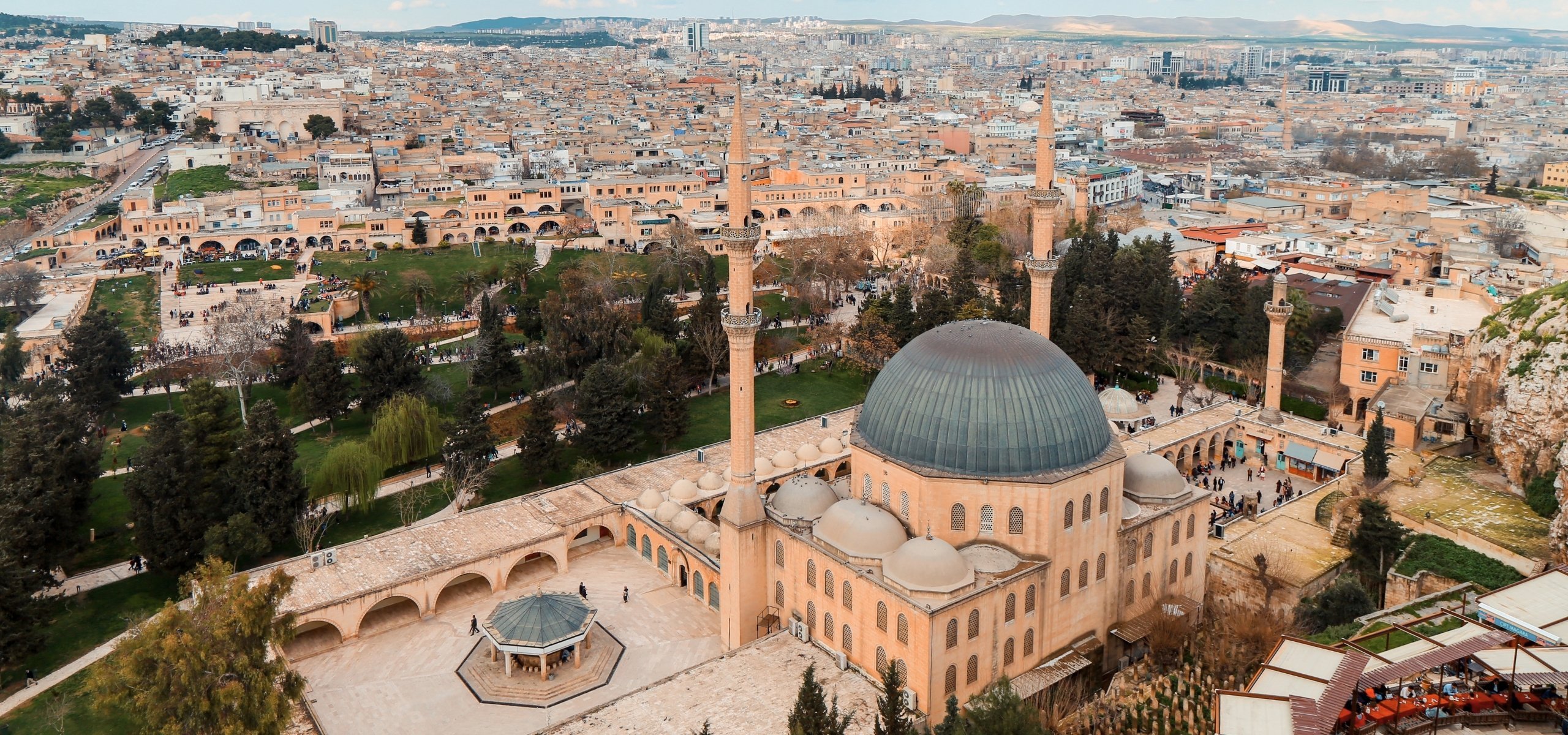
The true spiritual and historical heart of Şanlıurfa, Balıklıgöl is one of the most iconic sites in southeastern Turkey. According to Islamic tradition, this is where the Prophet Abraham was condemned by King Nimrod to be thrown into a massive fire. The flames are said to have turned into water, while the burning logs became the sacred carp that still inhabit the pools today. Surrounded by shaded gardens, traditional pavilions, historic mosques, and beautiful golden-stone façades, the site offers a peaceful atmosphere that is particularly appreciated at the end of the day. Visitors can stroll along the pools of Halil-ür Rahman and Aynzeliha, observe the thousands of sacred fish, and take part in the tradition of feeding them, a gesture believed to bring good fortune.
The Mevlid-i Halil Cave (Abraham's Cave)
Just a few steps from Balıklıgöl lies the Mevlid-i Halil Cave, one of the most important pilgrimage sites in the city. Located within the religious complex of the Dergah Mosque, this cave is traditionally regarded as the birthplace of the Prophet Abraham. For centuries, believers and visitors alike have come here to reflect in an atmosphere imbued with spirituality. The cave is integrated into a vast religious complex that includes courtyards, fountains, and prayer areas, reflecting the importance of this site in Islamic tradition. Even for non-religious travelers, a visit provides valuable insight into Abraham's central role in the spiritual traditions of the Middle East and the deep reverence local people hold for him.
Harran and Its Beehive Houses
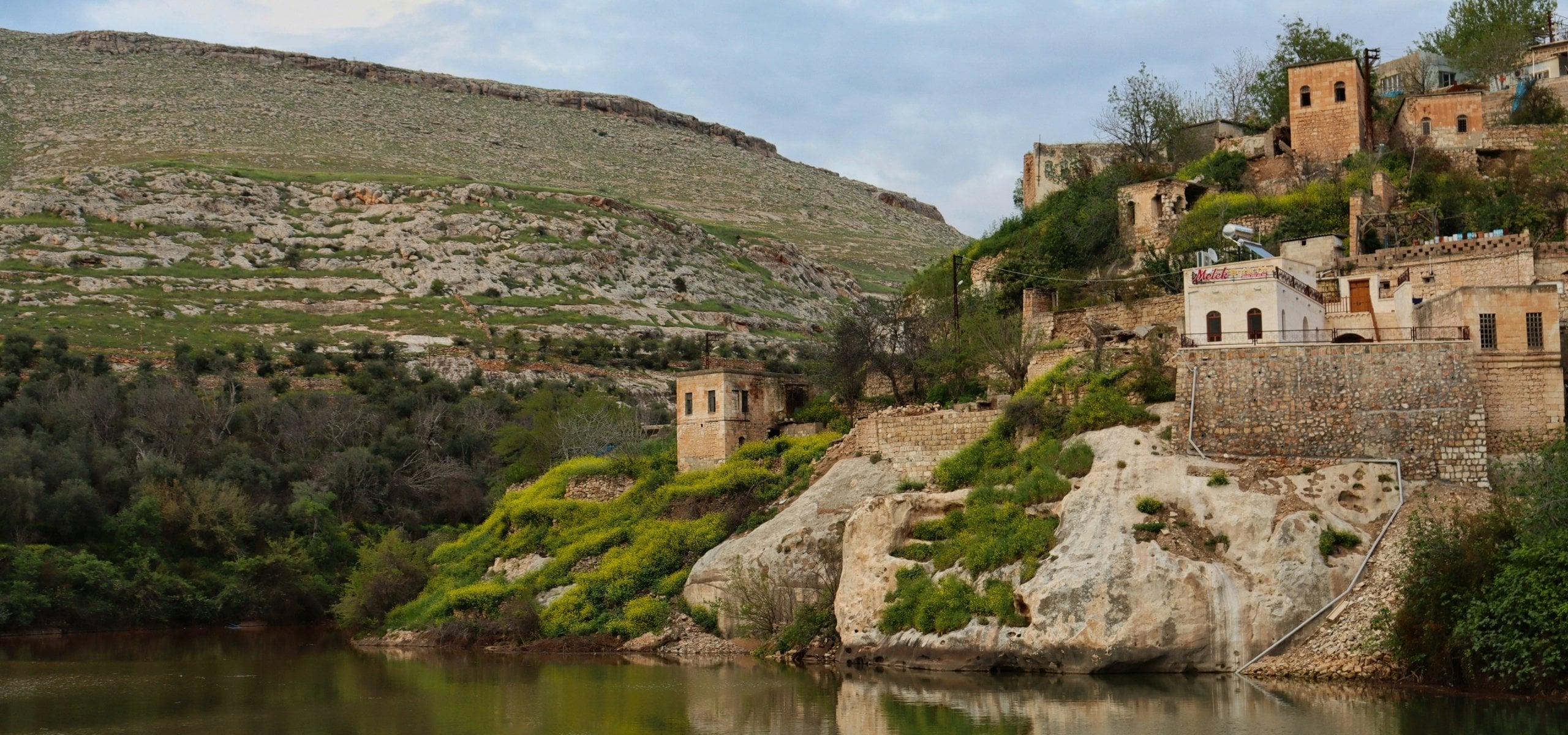
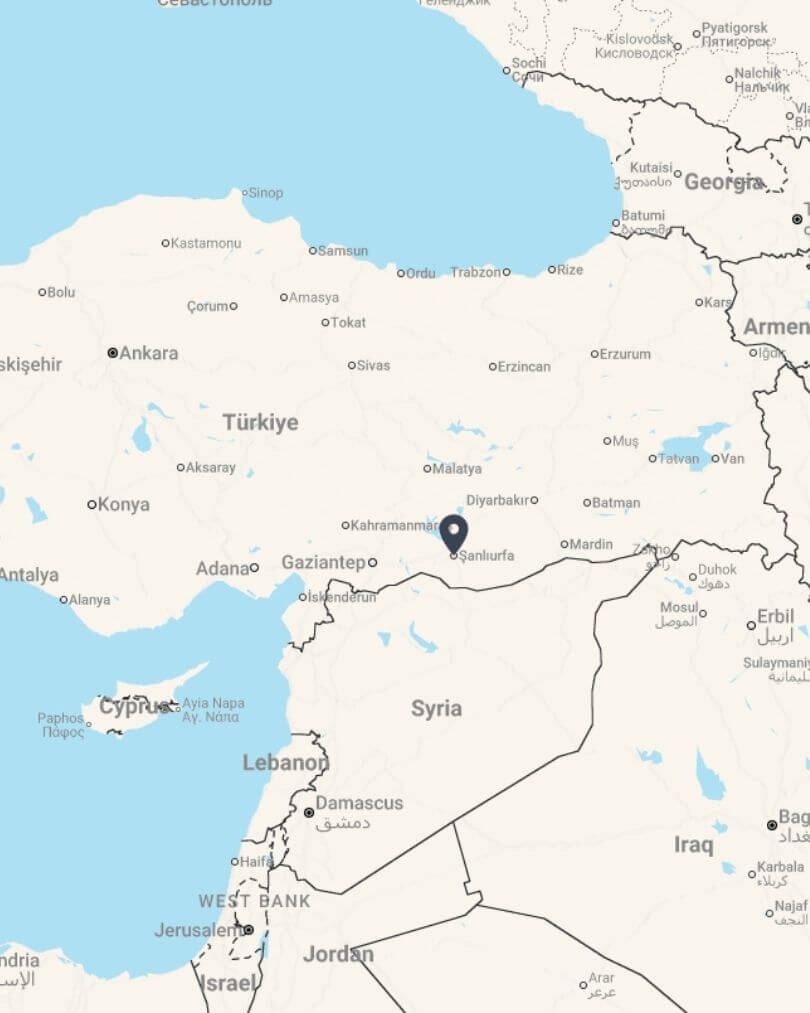
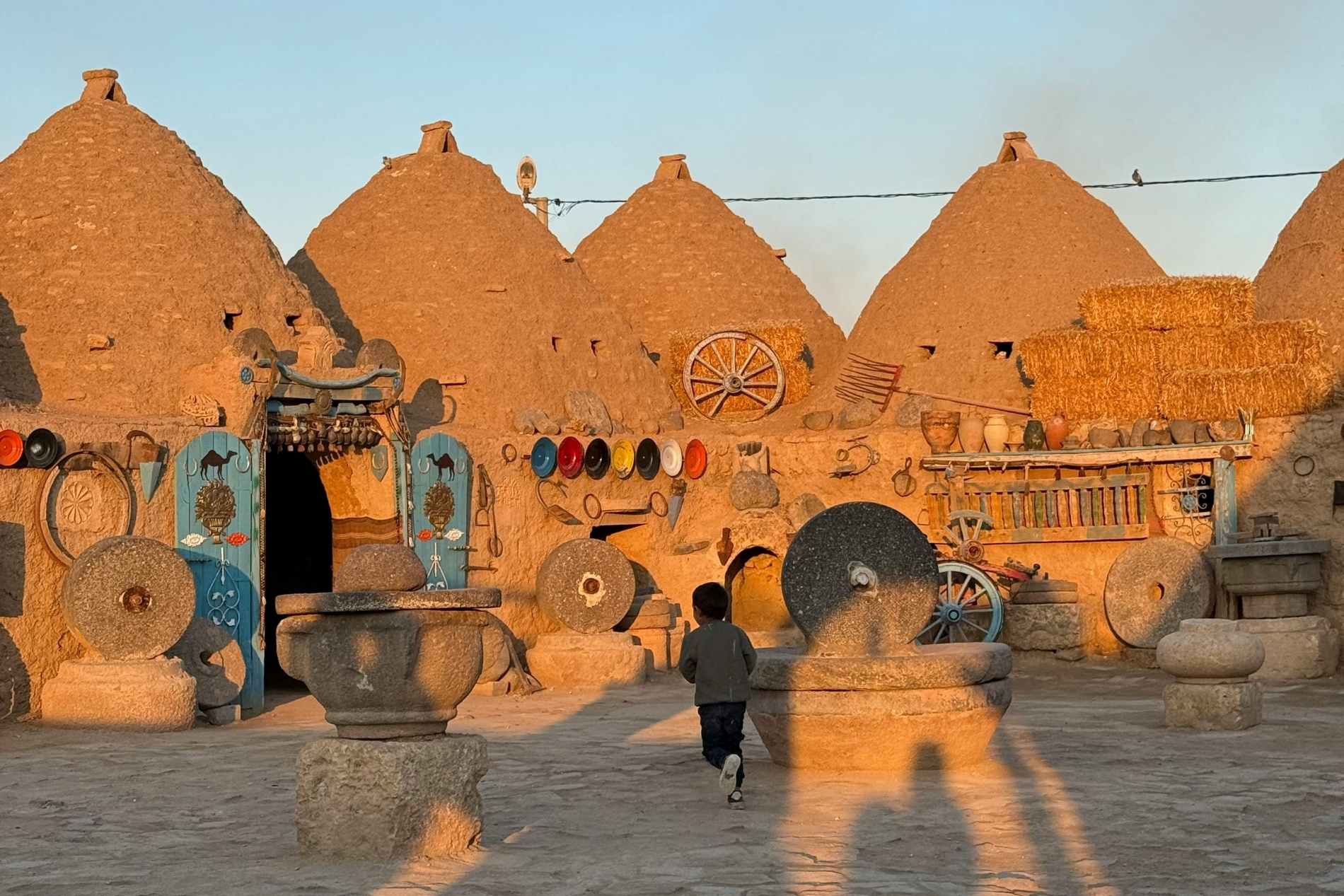
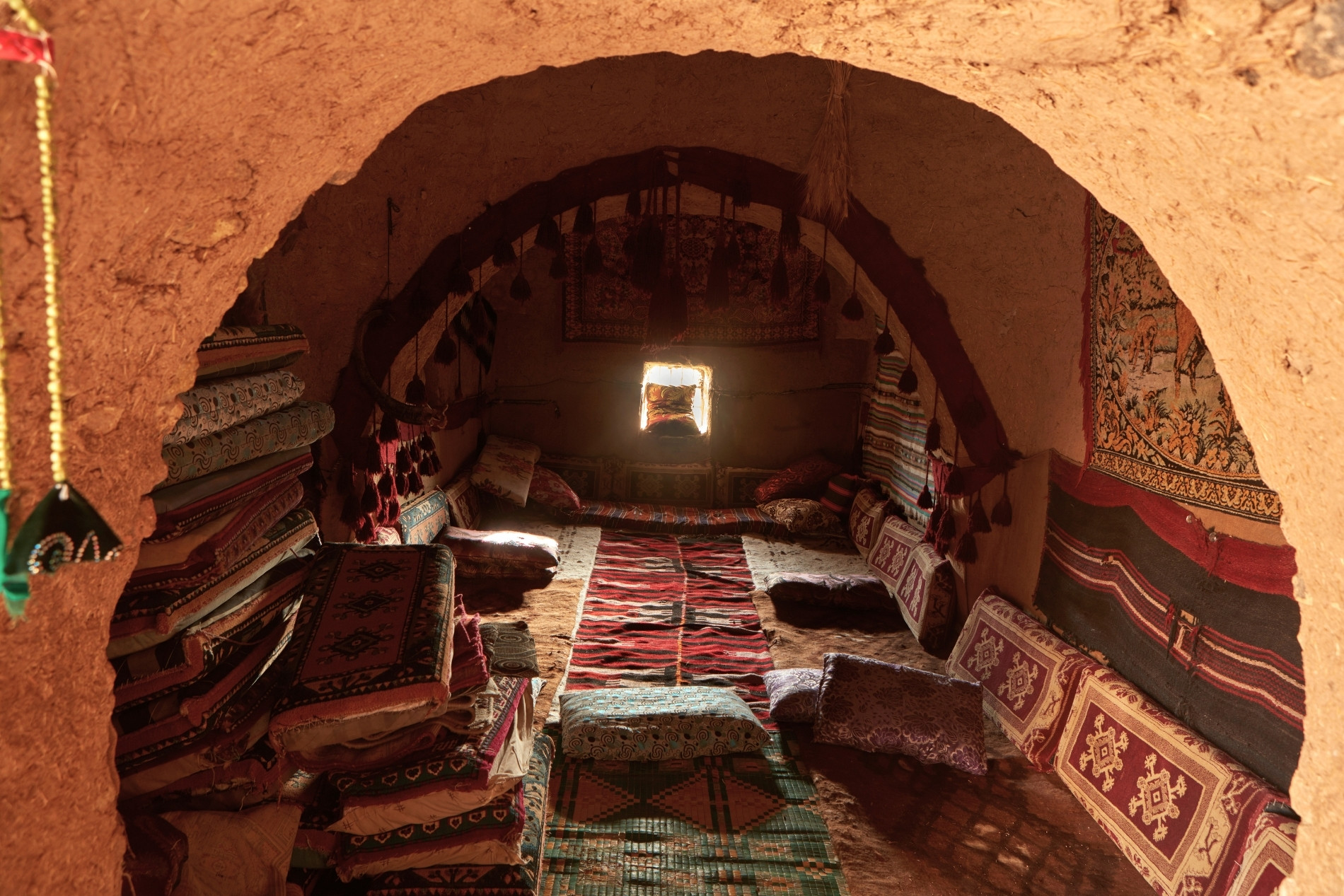
Approximately 45 kilometers south of Şanlıurfa, Harran offers one of Turkey's most distinctive cultural landscapes. The town is world-famous for its beehive houses, remarkable dwellings built from mud bricks and topped with cone-shaped roofs that can reach several meters in height. This unique architecture, perfectly adapted to the region's desert climate, helps maintain comfortable indoor temperatures even during the hottest summers. Beyond these iconic structures, Harran boasts an exceptional history spanning several millennia. Mentioned in ancient and biblical texts, it was an important center of learning in the medieval Islamic world. Visitors can explore the remains of one of the earliest universities in the Muslim world, the ruins of the Ulu Cami (Great Mosque), considered the first mosque built within the territory of present-day Turkey, as well as the remains of the ancient fortifications and citadel.
 |  |
The Bazaar and Historic Mosques
The historic center of Şanlıurfa offers a true immersion into the atmosphere of the ancient caravan cities of Mesopotamia. Its vast covered bazaar is a lively labyrinth filled with spice stalls, hammered-copper workshops, textile merchants, jewelers, and artisans preserving skills passed down through generations. Wandering through its narrow streets reveals an authentic city that remains largely untouched by mass tourism. The district is also home to several remarkable monuments, including the Halil-ür Rahman and Rizvaniye Mosques, whose elegant minarets overlook the pools of Balıklıgöl. It is also one of the best places to discover the local gastronomy, renowned throughout Turkey. The city's signature specialties include the famous çiğ köfte, eggplant kebab, spicy lahmacun, and a wide variety of Middle Eastern pastries.
The Museums of Şanlıurfa
To deepen your understanding of the region, the museums of Şanlıurfa are an essential stop. The Şanlıurfa Archaeological Museum is one of the most important museums in Turkey and houses exceptional collections spanning several millennia of history, from the Neolithic period to the Roman and Islamic eras. It notably displays numerous artifacts from Göbekli Tepe, helping visitors better understand the significance of this revolutionary site. Nearby, the Haleplibahçe Mosaic Museum showcases some of the finest Roman mosaics discovered in Anatolia, remarkably well preserved and renowned for their colorful depictions of mythological and hunting scenes. Visiting these two museums perfectly complements the exploration of the archaeological sites and helps place Şanlıurfa at the heart of the history of the earliest civilizations of the Middle East.