Maldives and Sri Lanka: how to combine beach and culture in a single trip?

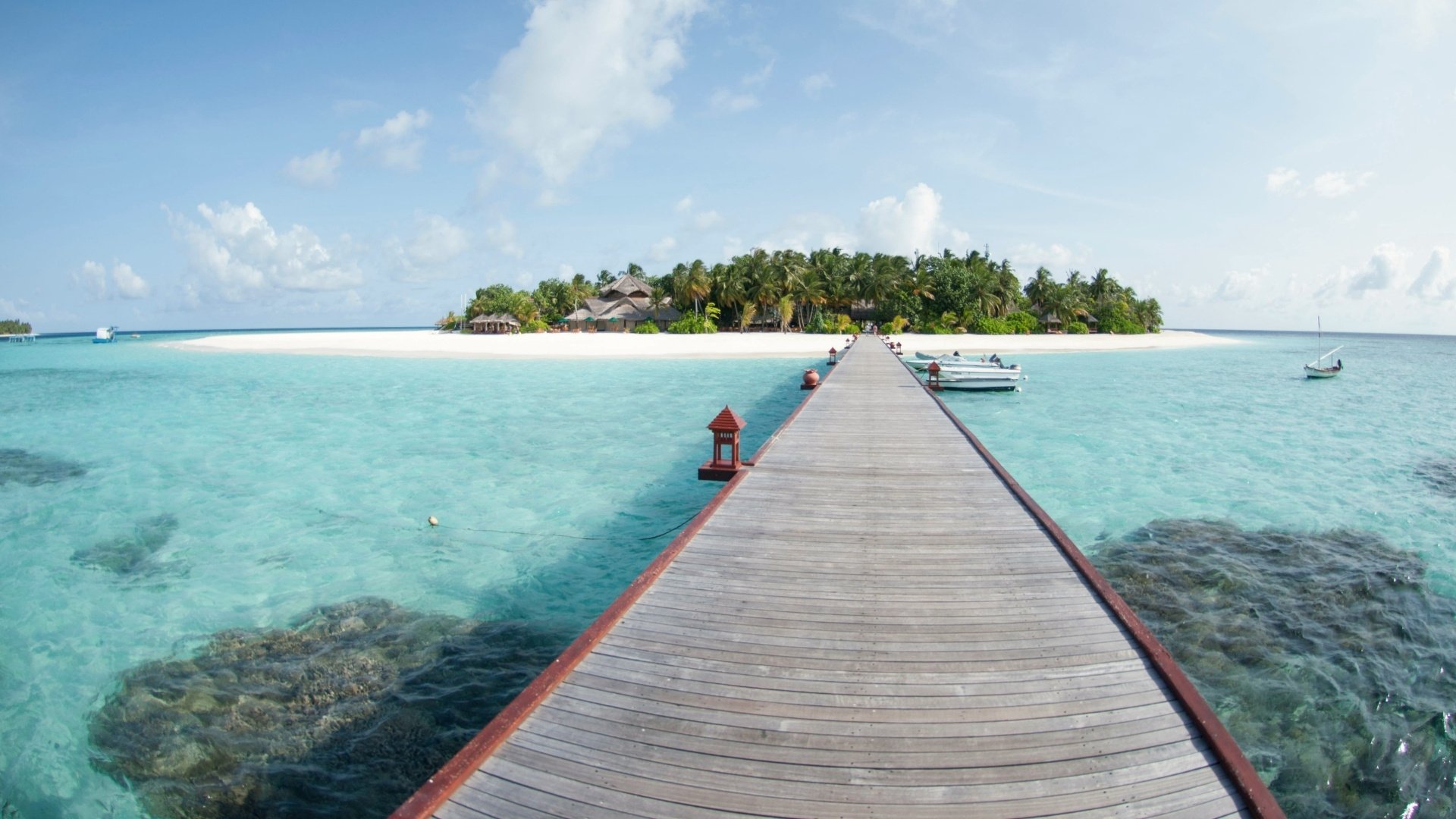
Sri Lanka and the Maldives are neighbours, separated by barely an hour and a half's flight, yet they have almost nothing in common. On one side, a dense, green and lively island, where temples mingle with tea plantations and national parks. On the other, an almost otherworldly, mineral archipelago, where the whole point of the trip comes down to a turquoise lagoon and the sound of the waves. It's precisely this difference that makes the combination so appealing: you're not looking for the same thing twice, you're living two trips in one.
What remains is figuring out how to organize this combined trip intelligently: in what order to visit the destinations, how much time to allow for each stage, when to go, and what practical details to plan for so the move from one country to the other goes smoothly.
What to see in Sri Lanka and the Maldives
Sri Lanka: temples, plantations and national parks
Sigiriya Rock is the country's most iconic site. This ancient royal fortress dating back to the 5th century rises about 200 metres above the jungle. King Kassapa had a palace built at its summit, protected by a monumental lion-shaped gate, of which only the stone paws remain today.
About thirty minutes' drive away, the Buddhist caves of Dambulla round off a visit to the Cultural Triangle nicely. The site brings together five sanctuaries carved into the rock face, home to more than 150 Buddha statues, including an impressive 14-metre-long reclining Buddha carved directly into the rock, as well as mural paintings covering more than 2,000 m² of wall surface.
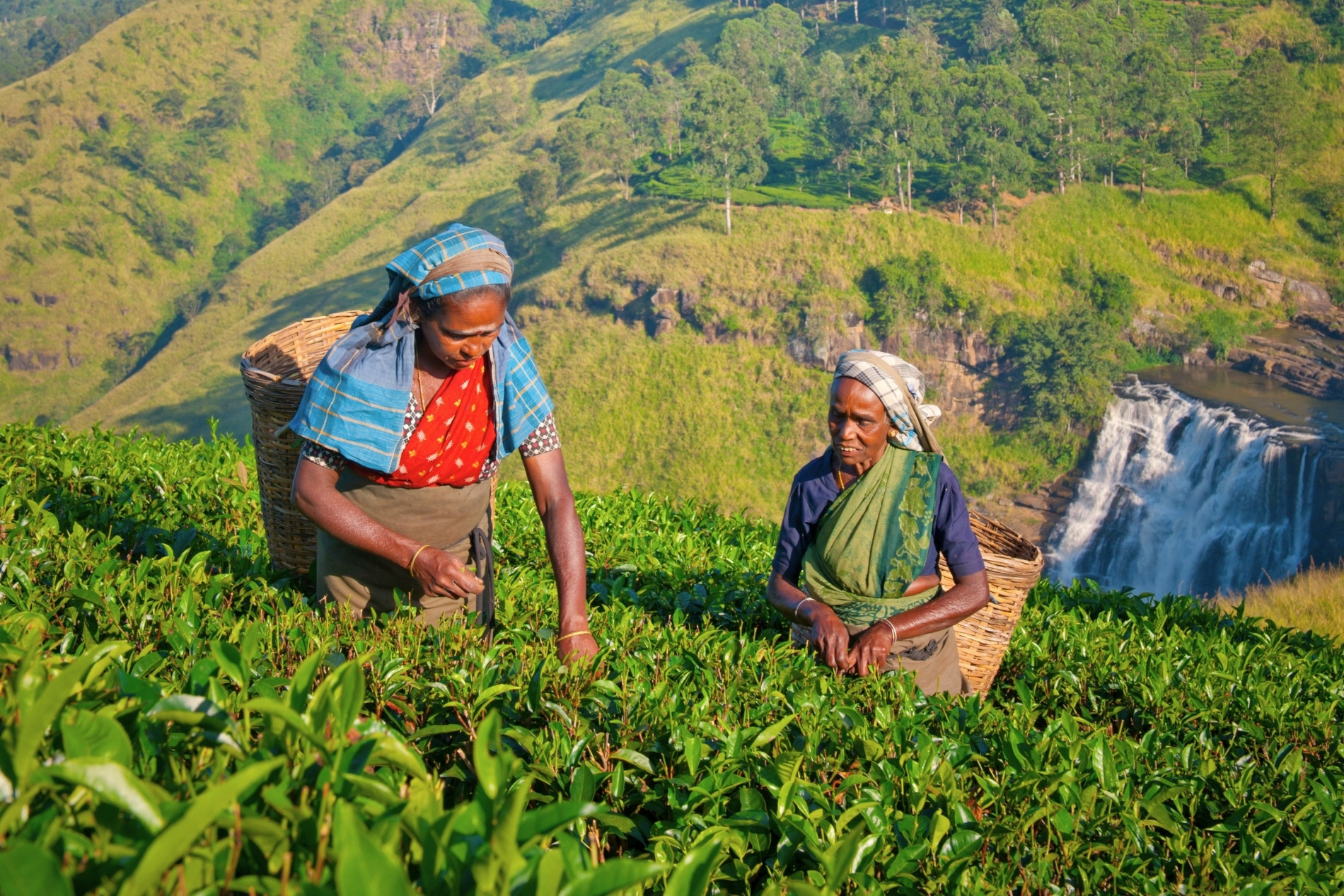
Further south, we recommend visiting Kandy and its Temple of the Tooth. The route then continues up to the highlands, to Nuwara Eliya, known for its colonial architecture and tea plantations. It's possible to visit a tea factory to learn about the different stages of Ceylon tea production.
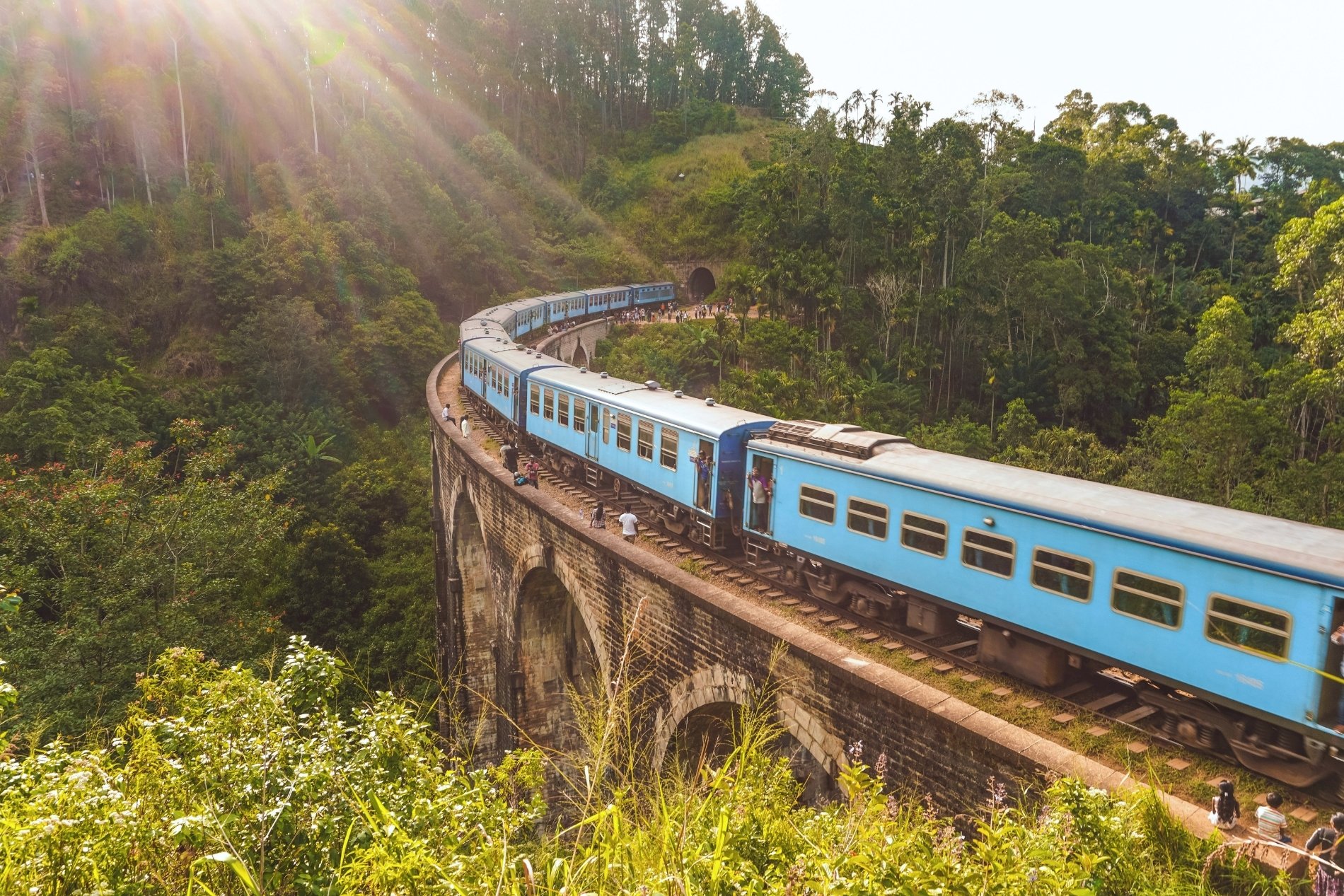
Ella, a little further on, brings together several must-sees within walking distance: the hike up to Little Adam's Peak, Ravana Falls, and the famous Nine Arch Bridge, a stone railway viaduct built in the early 20th century. The train journey between Ella and Nanuoya, through plantations and hills, is considered one of the country's most beautiful railway routes.
For wildlife, Udawalawe National Park is one of the best places in Sri Lanka to spot wild elephants on safari. The park is home to several hundred, often gathered in herds around the large reservoir. But elephants are far from the only inhabitants here. You'll also find water buffalo, sambar and axis deer, crocodiles, and birds (fish eagles, kingfishers, hornbills). At the park entrance, the Elephant Transit Home also lets visitors observe orphaned or injured baby elephants, cared for before being released back into the wild.
On the heritage side, the fortified town of Galle, of Dutch origin and UNESCO-listed, is well worth a good half-day of wandering through its colonial streets. And along the south coast, the beaches of Mirissa and Tangalle allow you, between November and April, to combine relaxation with boat trips to spot blue whales, regularly seen offshore.
 |  |
Maldives: lagoons, diving and relaxation
The Maldives archipelago has 26 natural atolls and more than 1,000 islands. The trip changes pace entirely here. The programme is deliberately minimal: an overwater villa, a lagoon just steps from the terrace, and the choice between relaxing, snorkelling or diving, depending on what you feel like. It's one of the rare destinations in the world where you can observe tropical fish, rays and sometimes turtles just a few strokes from your own jetty.
Diving remains the archipelago's flagship activity. Ranked among the world's top three diving destinations, it offers channels between atolls that concentrate an impressive amount of marine life: eagle rays, grey reef sharks, napoleon wrasse and shoals of reef fish. Two encounters draw travellers in particular: whale sharks, visible almost year-round around Ari Atoll, and manta rays, whose largest gatherings anywhere in the world occur in Hanifaru Bay, on Baa Atoll, a UNESCO biosphere reserve.
Important to know if manta ray sightings are a priority for you: unlike whale sharks, which are visible almost year-round, the period when manta rays gather in the greatest numbers (May to November) does not coincide with the dry season in the Maldives and Sri Lanka, which runs from December to April. That said, nothing rules out spotting manta rays outside this peak period, as marine life remains abundant year-round on most reefs.
Boat trips to other snorkelling spots, dolphin watching in the late afternoon, or an excursion to a local island to discover a more authentic side of the archipelago all round out a stay nicely. In short, the Maldives is typically the part of the trip designed for unwinding after several days on the road and sightseeing in Sri Lanka.
When to go and how to plan the itinerary
The best time to visit Sri Lanka and the Maldives
Sri Lanka has an unusual climate, shaped by two distinct monsoons: there is therefore almost always some region of the country in its dry season. On the south and west coast, the dry season runs from December to March, a period that largely overlaps with that of the Maldives (November to April). It's therefore between January and March that the two destinations have the best chance of being dry and sunny at the same time.
Outside this window, the trip remains entirely possible, notably by avoiding the heavy downpours of Sri Lanka's south-west monsoon (between May and September).
What order to visit them in, and how much time to allow
We recommend starting with Sri Lanka before moving on to the Maldives. The Sri Lankan leg requires energy (driving, sightseeing, walking), whereas the stay in the Maldives works well as a final unwinding stage before the flight home. The reverse order is possible, but less common.
For each destination to truly get the time it deserves, allow at least 10 to 12 days on the ground, not counting international travel: around 7 to 9 days in Sri Lanka to cover the Cultural Triangle, the highlands and the south coast without rushing, then 3 to 5 days in the Maldives. If you have the time, we recommend 14 to 16 days instead: this extra margin lets you enjoy each stage without feeling like you're racing through it.
The transfer between the two countries
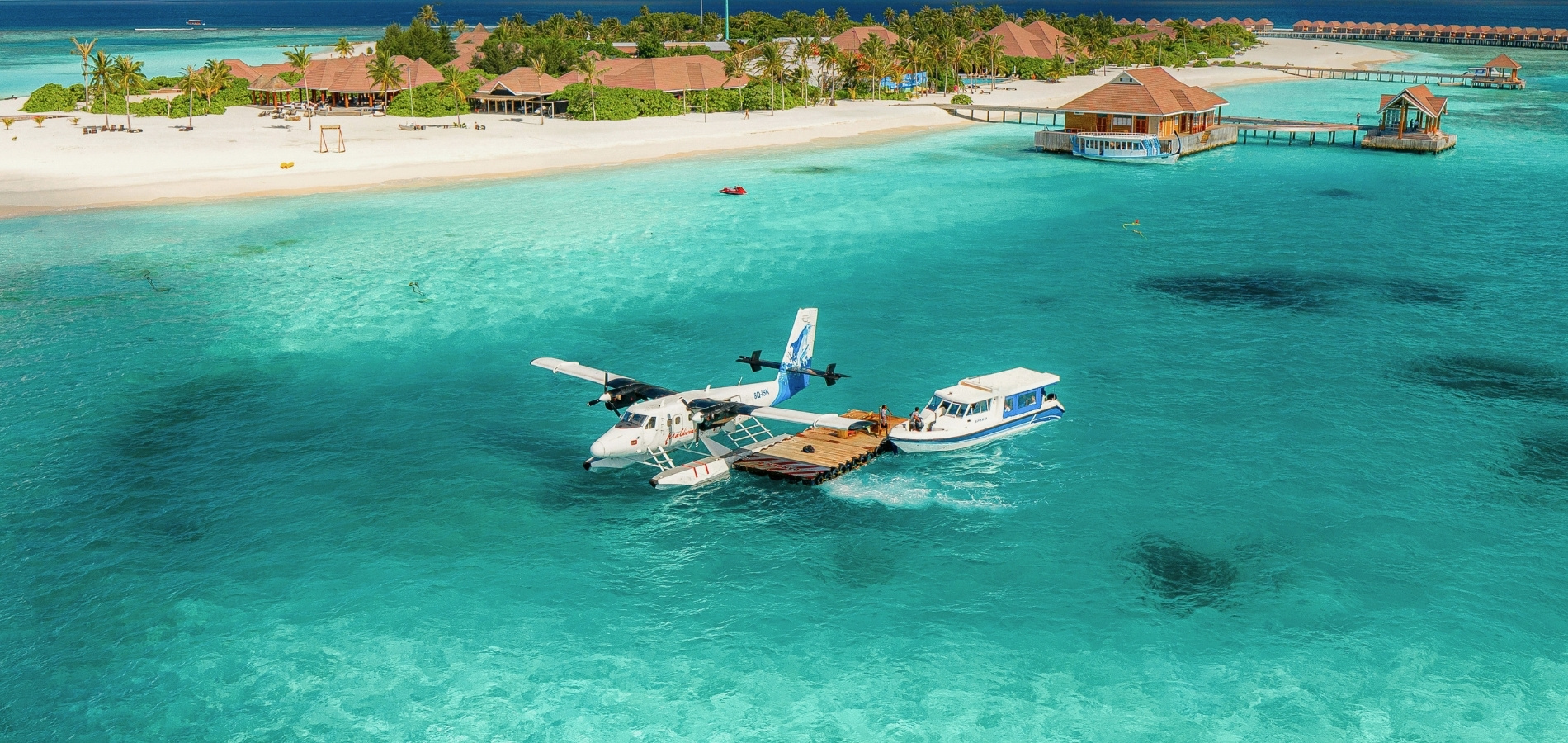
The Colombo, Malé connection is very straightforward. The direct flight takes around 1h30, with several daily rotations. Do bear in mind, though, that once you land at Malé airport, you then need to reach your resort by boat (30 minutes to 1h30 depending on the atoll) or by seaplane for the more distant atolls (30 to 45 minutes' flight).
Practical tips for a successful combined trip
Budget for a combined Sri Lanka and Maldives trip
The two destinations have very different daily costs. Sri Lanka remains generally affordable, whether for accommodation, meals or transport with a private driver. The Maldives, by contrast, run almost exclusively on a full-board or all-inclusive resort model, with nightly rates considerably higher, especially in high season (December to April).
The most common approach is therefore to spend the majority of nights in Sri Lanka, where you can vary the stages and experiences without blowing the budget, then book a tighter number of nights in the Maldives, treated as a highlight rather than half the trip. As an example, a 13-day Sri Lanka to Maldives circuit combining Sri Lanka's must-sees with a stay in an overwater villa in the Maldives starts at around €2,899 per person, excluding international flights.
Visa and health
When it comes to formalities, both countries remain straightforward to enter for French travellers. Sri Lanka requires an Electronic Travel Authorization (ETA) to be applied for online before departure via the official website. Since 25 May 2026, it has been free for 30-day tourist stays for French nationals. The Maldives, meanwhile, require no visa in advance for stays of under 30 days: it is issued free of charge on arrival, on presentation of a passport, an onward ticket out of the country and confirmation of a hotel booking. The passport must be valid for at least 6 months after the end of the stay. These rules can change from one year to the next, so be sure to check the current requirements on official websites or ask your travel agency.
On the health side, no specific vaccinations are required for either country, but it's recommended to be up to date with routine vaccinations and to take out travel insurance covering medical expenses and repatriation.
Our agency's tips for a well-paced trip
The main pitfall of a combined Sri Lanka and Maldives trip is trying to pack too much into Sri Lanka and arriving in the Maldives exhausted rather than relaxed. We recommend instead building the Sri Lankan leg around a few strong, well-connected stages, deliberately leaving room in the schedule rather than cramming in sightseeing without a breather.
That's exactly the balance we've aimed for with our 13-day circuit, which follows this logic, from Lion Rock to the tea plantations and Udawalawe National Park, before a stopover in an overwater villa in the Maldives. The itinerary, like all our trips, remains customizable with one of our travel advisors to adjust the length, comfort level or pace to suit your preferences.